 comparison
Leo Hamel Alternative for Gold Selling: 2026 Guide
Table of Contents
- Why Gold Selling Alternatives Matter
- Understanding Your Gold Selling Options
- Mobile Gold Buying Service: Convenience and Privacy
- How to Get the Best Price for Gold Jewelry
- Gold Selling Safety Tips and Best Practices
- Comparing Gold Buyer Types: Jewelry Stores vs. Bullion Dealers vs. Mobile Services
- What Gold Items You Can Sell
- Frequently Asked Questions
Last Updated: September 30, 2026
Why Gold Selling Alternatives Matter
Selling gold feels risky when you don't know your options. Most sellers assume a pawn shop or jewelry store is the only choice, then accept the first offer without exploring alternatives.
Finding a Leo Hamel alternative for gold selling requires knowing what to compare. This guide covers your options, fair market value, and safe transaction practices.
Understanding Your Gold Selling Options
Your options include jewelry stores, bullion dealers, pawn shops, and mobile services, each pays differently for the same gold.
Jewelry stores focus on design, brand, and gemstone value. They work well for branded or artistic pieces but pay less for scrap gold or broken items.
Bullion dealers specialize in coins, bars, and numismatic items. They understand collector value but typically won't pay much for jewelry or dental gold.
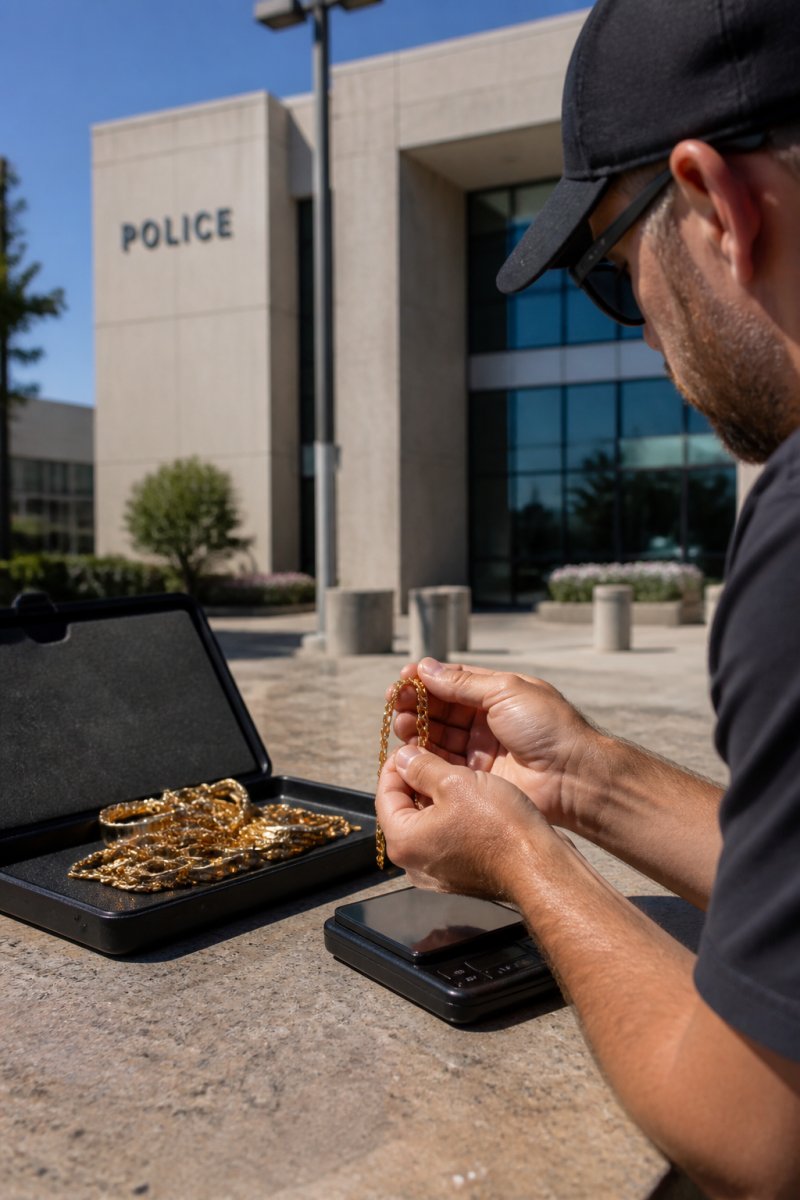
Mobile services come to you, test on-site, and pay immediately. Pirates Finds Gold operates throughout San Diego, meeting customers at banks or police stations for safety and convenience.
Pawn shops typically pay the least due to resale margins. Use them as a last resort.
Mobile Gold Buying Service: Convenience and Privacy
Mobile services eliminate store visits, scheduling conflicts, and waiting rooms.
You contact the service, schedule a time, and they arrive with certified testing equipment. They examine your gold, quote on the spot, and pay immediately, typically within 30 minutes to an hour.
Privacy matters: you avoid carrying gold through public spaces or sitting in retail environments where others see what you're selling.
Pirates Finds Gold brings certified testing equipment to your location. You watch the testing, understand the assessment, and get a transparent quote with no obligation. Same-day payment via cash, Zelle, or your preferred method.
Mobile services work best in specific areas. Pirates Finds Gold covers San Diego; outside that zone, use another approach.
How to Get the Best Price for Gold Jewelry
Fair market value requires understanding spot price, purity, and comparison shopping. Most sellers skip comparison and leave money on the table.
Spot Price and Market Timing
Spot price is the current market rate per troy ounce, fluctuating daily. A buyer's offer should reflect today's price, not yesterday's.
Check spot price before selling (KITCO or US Mint publish live rates).
Karat Weight and Purity Testing
Karat weight determines pure gold content: 24K is pure, 18K is 75%, 14K is 58%, 10K is 42%.
Multiple Appraisals and Building a Comparison Framework
Get at least two quotes. Create a comparison sheet documenting: spot price used, testing method, per-ounce offer (the real comparison number), item breakdown, payment method, and timeline.
Example comparison:
- Buyer A quotes $900 total, using spot price of $2,050/oz. That's $2,000/oz of pure gold offered (slightly below spot, which is normal, they need margin).
- Buyer B quotes $850 total, using spot price of $2,050/oz. That's $1,889/oz of pure gold offered (significantly below spot).
- Buyer C (mobile service) quotes $920 total, using spot price of $2,050/oz. That's $2,044/oz of pure gold offered (at or above spot).
Gold Selling Safety Tips and Best Practices
Safety has two parts: verifying the buyer and securing the transaction. Most scams and bad experiences happen because sellers skip verification or ignore warning signs.
Red Flags: When to Walk Away
Before you even schedule a meeting, watch for these warning signs:
- Pressure to sell immediately: "I can only hold this price for 24 hours" or "This offer expires today." Legitimate buyers don't rush you. Gold prices are stable enough that a fair offer today will be fair tomorrow.
- Unwillingness to explain testing: If a buyer says "Trust me, it's 14-karat" without showing you the test or explaining the method, leave.
- Vague about payment method: A buyer who insists on cash-only and won't discuss alternatives is harder to hold accountable.
- No verifiable business presence: No website, no phone number that rings to a business, no reviews anywhere online. Legitimate buyers have a traceable presence.
- Asking you to come to them in unfamiliar locations: A buyer who won't meet in a public, safe area or insists on coming to your home without references is a risk.
- Lowball offers far below spot price: If a buyer is offering 30-40% below the current spot price for pure gold, they're either inexperienced or exploitative. Typical margins are 5-15% below spot.
- Refusal to provide a written quote: Get everything in writing before you accept. Verbal agreements disappear if there's a dispute.
Verifying Credentials and Testing Equipment
Ask a buyer about their credentials before you meet:
- Are they licensed? Requirements vary, but many states require precious metals dealers to be licensed. Ask for their license number and verify it with the relevant regulatory agency.
- Do they belong to industry associations? Organizations like industry associations have membership standards. Ask for membership verification.
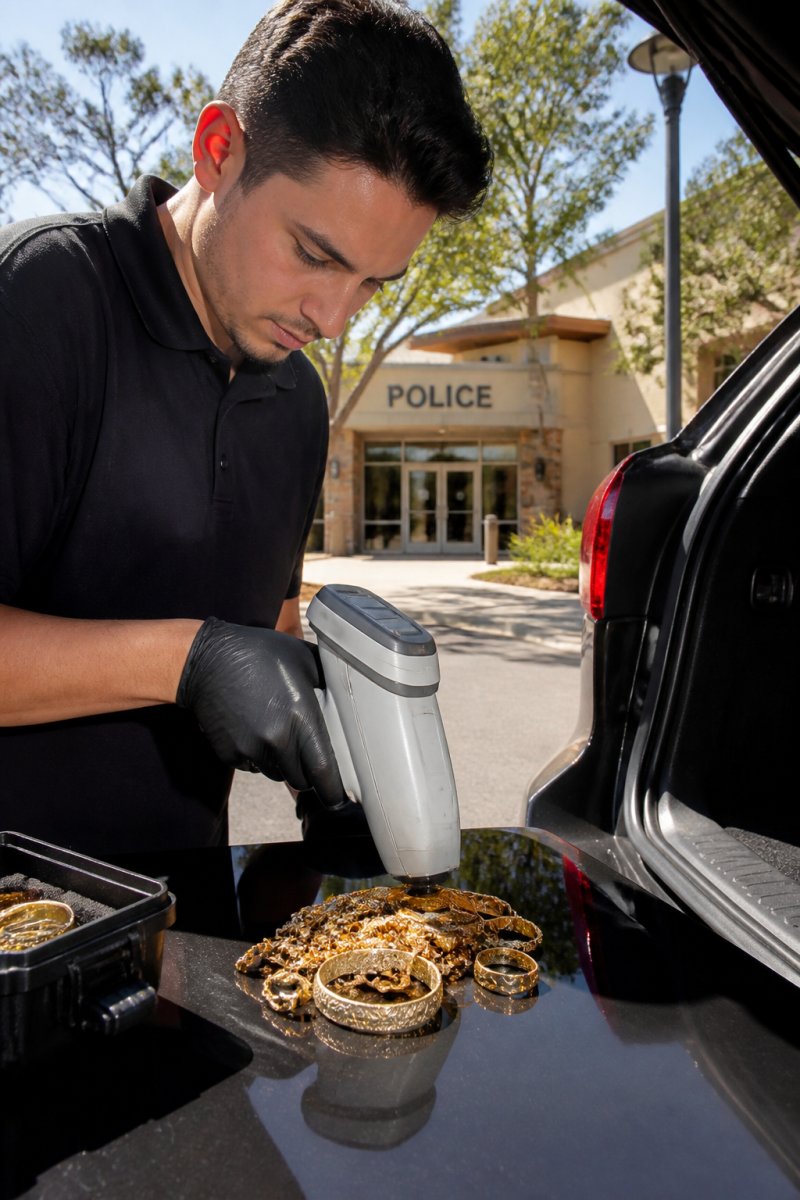
- What's their testing methodology? A buyer should explain whether they use acid testing, XRF, weight-based verification, or a combination. They should be willing to show you the equipment.
- How long have they been in business? Newer buyers aren't inherently bad, but established buyers with years of history are lower risk.
- Can they provide references?
Inspect their testing equipment in person. XRF machines, acid testing kits, and scales should look professional and well-maintained. If a buyer seems evasive about how they test, that's a warning sign. You should be able to watch the testing happen and see the results before you agree to sell.
Meeting Location and Transaction Security
Never invite a stranger into your home unless you've thoroughly vetted them and feel confident. Even then, consider meeting at a neutral location.
Before you meet:
- Tell someone where you're going, who you're meeting, and when you expect to return. Text them the buyer's name and phone number.
- Bring a trusted friend or family member to the transaction. A second person deters problems and gives you a witness.
- Meet during daylight hours in a public place with foot traffic and security cameras.
- If meeting at a bank or police station, confirm they allow this activity on their premises.
During the transaction:
- Watch the testing happen. Don't hand over your gold and step away. You need to see the results and understand the assessment.
- Ask questions about anything you don't understand. A legitimate buyer will explain their process.
- Don't feel rushed. If the buyer is impatient or trying to hurry you, that's a red flag.
- Confirm the final offer in writing before you accept payment. Get a receipt that lists each item, the karat weight, the weight in grams or troy ounces, the spot price used, and the total amount paid.
After the transaction:
- Don't carry large amounts of cash home. Ask the buyer to provide payment via Zelle, check, or direct deposit if possible. If you must take cash, count it in front of the buyer before you leave, then secure it immediately.
- If payment is delayed (check in the mail, bank transfer processing), get a written confirmation of the payment method and expected timeline.
- Keep your receipt and documentation. If a dispute arises later, you'll need proof of what you sold and what you were paid.
Comparing Gold Buyer Types: Jewelry Stores vs. Bullion Dealers vs. Mobile Services
| Buyer Type | Best For | Key Advantage | Main Limitation |
|---|---|---|---|
| Jewelry Stores | Fine jewelry, branded pieces, gemstone items | Understand design and brand value beyond metal weight | May underpay for scrap gold or broken items |
| Bullion Dealers | Coins, bars, numismatic items, investment-grade metals | Specialized knowledge in grading and collector value | Limited interest in jewelry or dental gold |
| Mobile Services | Convenience, privacy, quick transactions, mixed items | No travel required; transparent on-site testing; same-day payment | Limited to specific geographic areas |
| Pawn Shops | Emergency cash, quick sales | Fast transaction | Lowest offers; high resale markup |
The best choice depends on what you're selling and what matters most to you. Selling grandmother's diamond ring? A jewelry store might appreciate it. Liquidating inherited gold coins? A bullion dealer understands numismatic value. Selling broken jewelry and dental gold from your home without leaving? A mobile service like Pirates Finds Gold solves that problem.
What Gold Items You Can Sell
Most gold buyers accept a wider range of items than people realize. Common items include:
- Jewelry: rings, necklaces, bracelets, earrings (regardless of condition)
- Coins: US gold coins, foreign coins, numismatic pieces
- Bullion: bars, ingots, rounds
- Dental gold: crowns, bridges, fillings
- Watches: gold cases, gold bands
- Broken or damaged items: bent rings, tangled chains, bent watch cases
Frequently Asked Questions
What should I look for when choosing a gold selling alternative?
Verify the buyer uses certified testing equipment and bases offers on live gold spot market pricing. Confirm they accept the types of gold you're selling (jewelry, coins, dental gold, bullion). Ask about their appraisal process, payment methods, and whether they offer no-obligation quotes. Check if they meet at secure locations or offer mobile services. Legitimate buyers will explain their testing methods and answer questions about fair market value without pressure.
How does the gold spot price affect what I'll receive when selling?
The spot price is the current market rate for one troy ounce of pure gold. Your payout depends on your gold's karat weight (purity), total weight, and the current spot price. For example, 14-karat gold contains 58.3% pure gold. Reputable buyers price offers based on live spot market rates, not outdated prices. Spot prices fluctuate daily, so timing can affect your final payment. Always ask how the buyer calculates your offer using current market rates.
Are mobile gold buying services safe?
Mobile gold buying services can be safe when you take proper precautions. Meet at secure, public locations like banks or police stations rather than isolated areas. Verify the buyer's credentials and testing equipment before the appointment. Bring identification and ask for documentation of the transaction. Reputable mobile services operate transparently, explain their testing process, and provide immediate payment without pressure. Always trust your instincts, if something feels uncomfortable, reschedule with a different buyer.
Can I sell all types of gold items, including dental gold and broken jewelry?
Yes, most gold buyers accept jewelry in any condition (broken, bent, or damaged), gold coins, bullion, dental gold (crowns, bridges, fillings), and scrap gold. Condition doesn't matter because buyers melt down items to extract pure gold. Karat weight does matter, 10K, 14K, 18K, and 24K gold all have different purity levels and values. Confirm the buyer accepts the specific items you're selling before scheduling an appraisal.