 how-to
Is Professional Gold Appraisal Worth It?
Last Updated: October 28, 2026
Quick Summary
A professional gold appraisal is worth paying for when a third party, such as an insurer, estate executor, or court, needs a written and dated value. If you only want cash for gold, a free buyer quote based on weight and karat is usually enough.
- An appraisal documents an item's value for a stated purpose, but it does not guarantee a buyer will pay that amount.
- Replacement-value appraisals for insurance often sit well above what a buyer will offer for the gold.
- Ask whether a quoted fee is flat per item, hourly, or a percentage of value, and avoid percentage-based fees.
- Get a written quote from two appraisers and confirm whether it covers the full report or only the inspection.
- Verify the appraiser's credential with the issuing organization and request a report listing weight, karat, condition, and date.
Table of Contents
- What a Professional Gold Appraisal Actually Covers
- Gold Purity Testing: What an Appraiser Examines
- How Much Does a Gold Appraisal Cost?
- Appraisal Value vs. Resale Value: Why the Numbers Differ
- How to Get Gold Appraised and Verify the Appraiser
- When a Gold Appraisal Is Worth the Money (and When It Isn't)
- Booking a Gold Valuation Before You Sell
- Frequently Asked Questions
Is a professional gold appraisal worth the money? For most people with a few pieces of ordinary jewelry, the answer depends on why they need the number. An appraisal gives you a written, documented value. It does not automatically give you the best price for selling. The honest answer is that it depends on your goal.
What a Professional Gold Appraisal Actually Covers
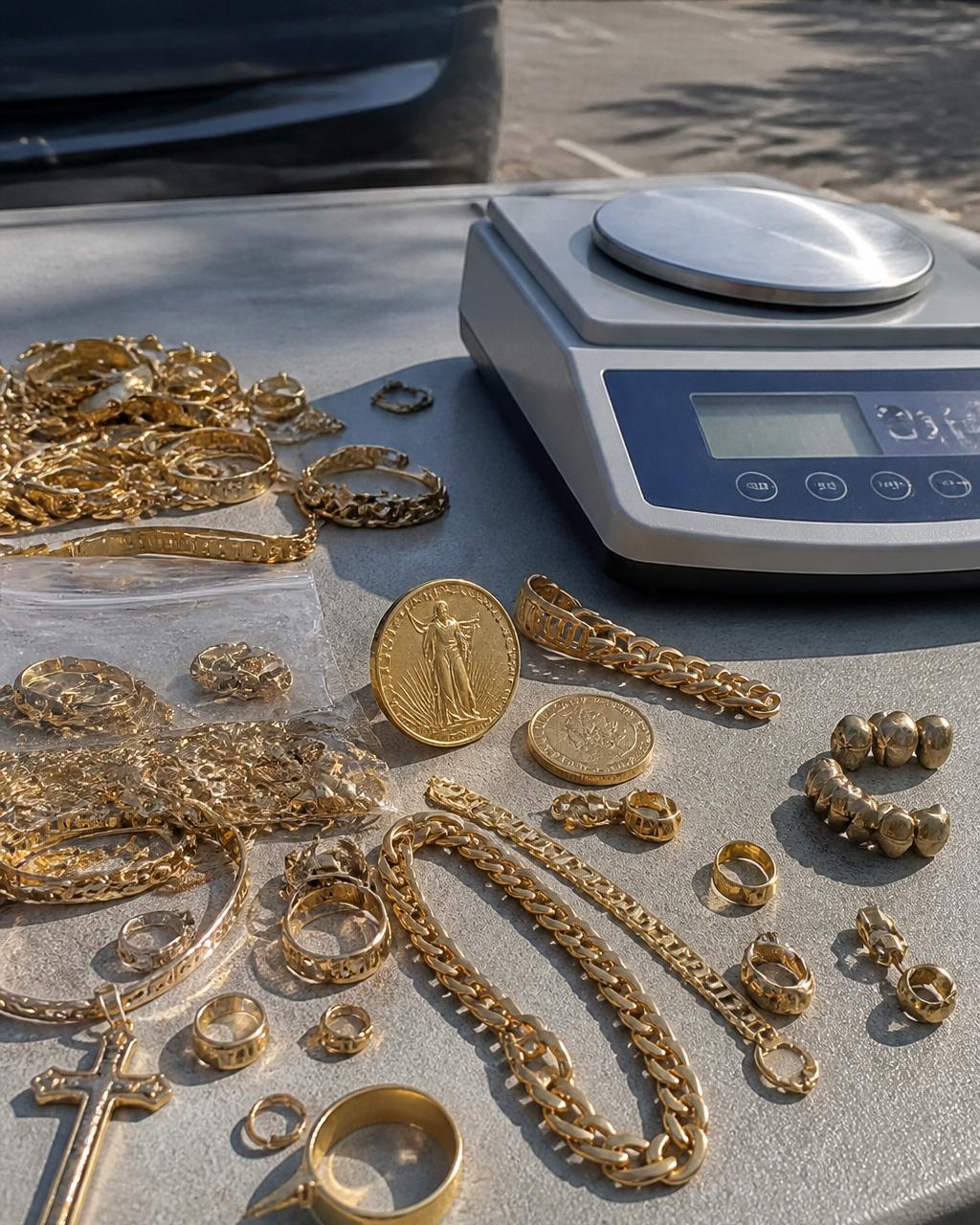
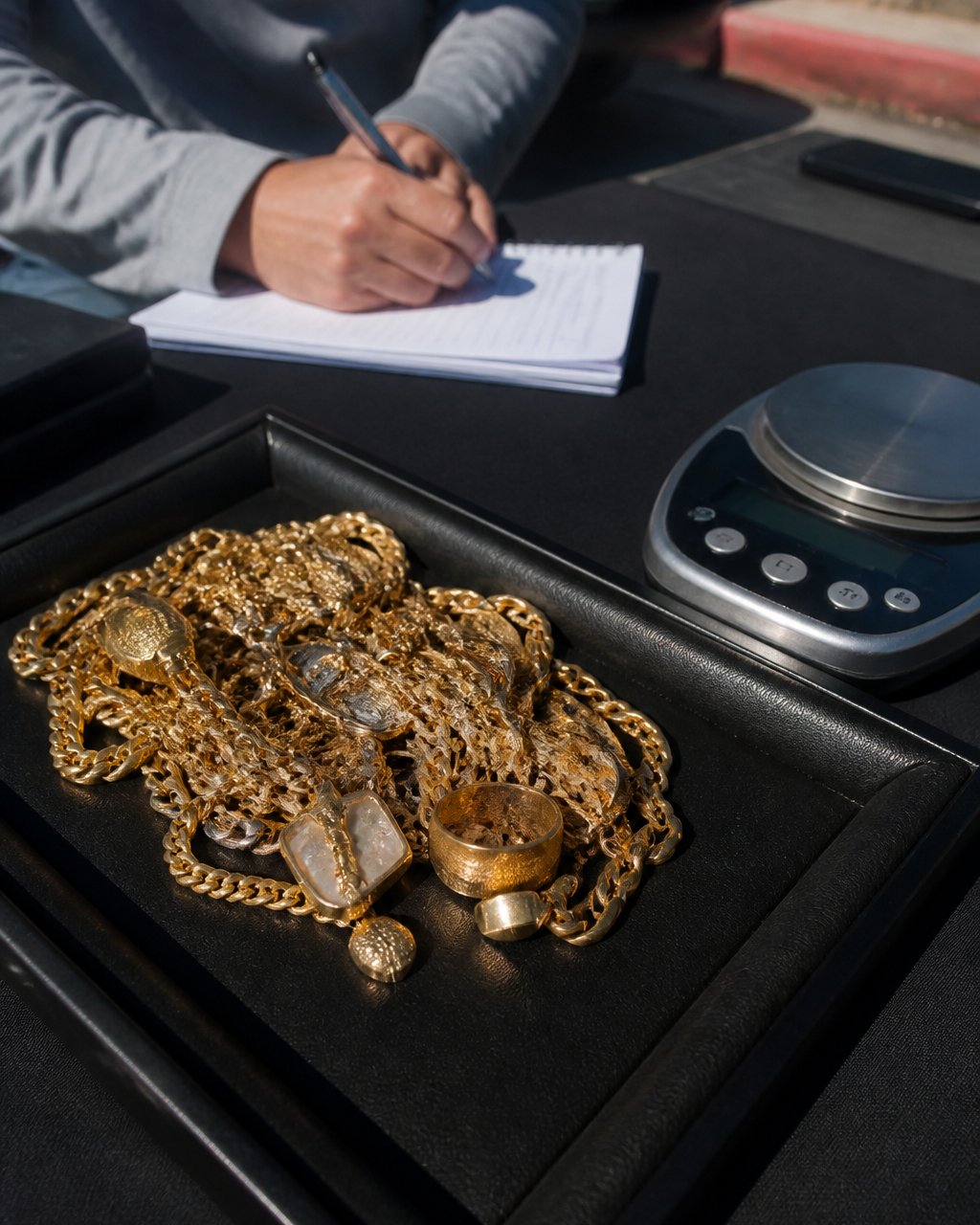
A gold appraisal is a written document that describes an item and states its value for a specific purpose. The appraiser examines the piece, records its weight, karat, condition, and maker's marks where they exist, and then assigns a value.
The purpose matters more than most people expect. An insurance appraisal estimates replacement value, meaning what it would cost to buy a similar piece today. A resale estimate reflects what a buyer might pay. These are different numbers, and a single document cannot serve both well.
Key point: An appraisal tells you what an item is worth for a stated purpose. It does not promise a buyer will pay that amount.
Gold Purity Testing: What an Appraiser Examines
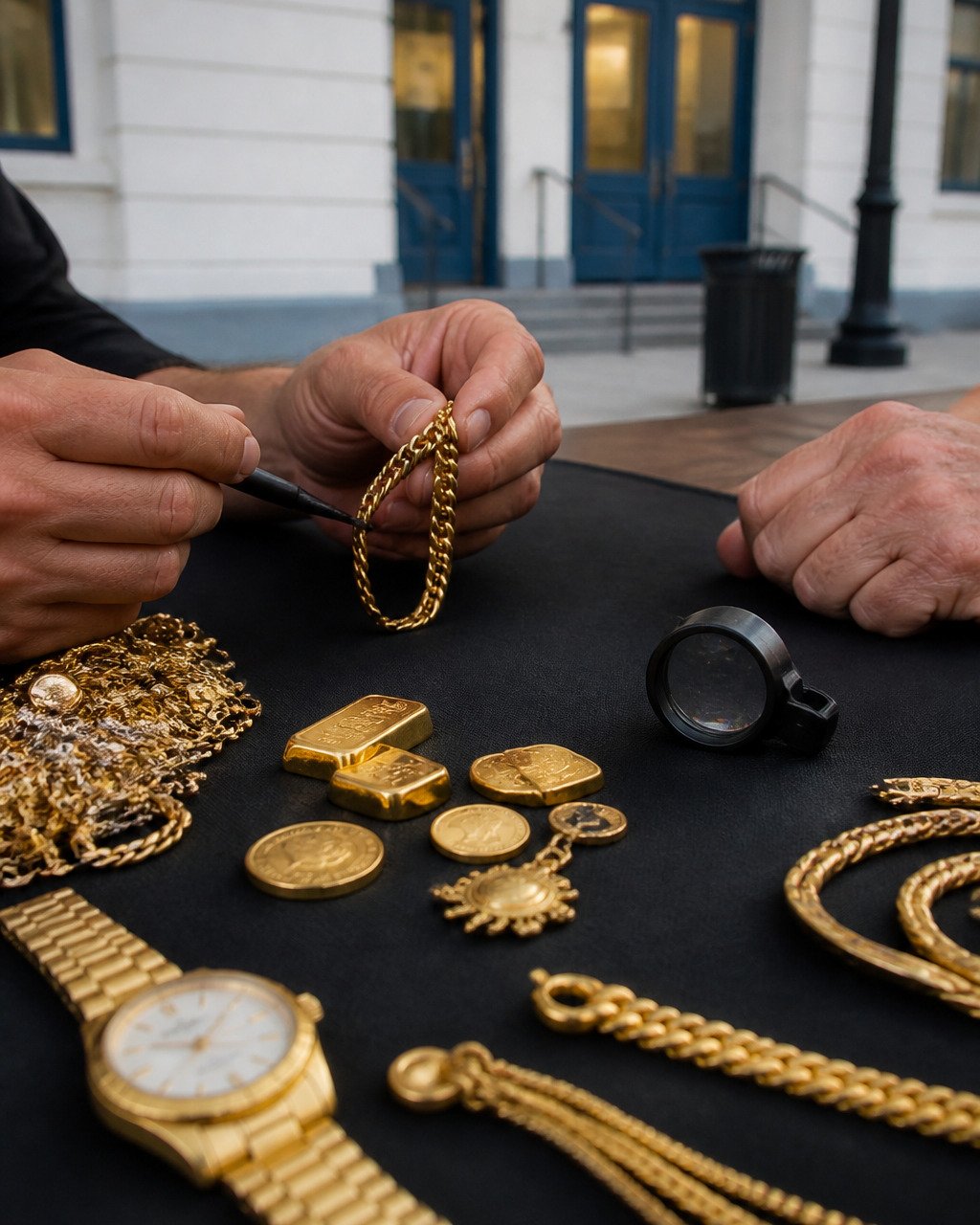
Purity is the first thing a careful appraiser checks. Karat marks such as 10K, 14K, or 18K show the gold content, but marks can be worn off or faked. A trained examiner looks for these signs:
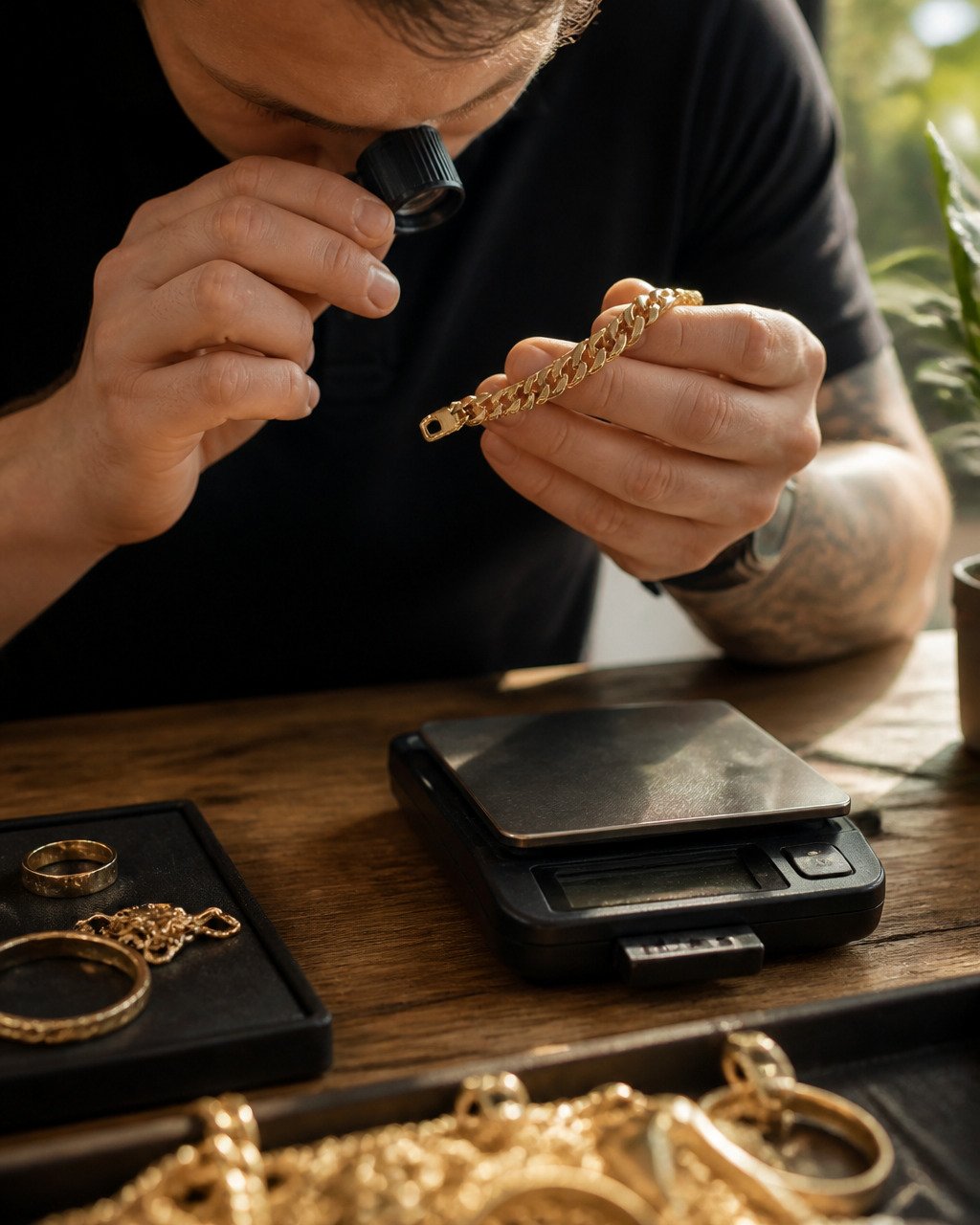
- The stamp, its clarity, and whether it fits the piece's style
- Solder seams, which can reveal plating over a cheaper base metal
- Wear patterns that suggest gold plating rather than solid gold
- Weight compared with the size of the piece
Testing methods vary. Some appraisers use an electronic tester, and others use acid testing on a small hidden area. Ask which method will be used and whether any test leaves a mark.
How Much Does a Gold Appraisal Cost?
Appraisal pricing is not standardized, but the structure usually falls into one of three models. Knowing which one you are being quoted helps you compare offers fairly.
- Flat fee per item. The most common model for jewelry and gold. The appraiser quotes one number per piece, often with a lower add-on charge for each additional item in the same visit. This is easiest to budget because the total is known before work starts.
- Hourly rate. More common for large estates, coin collections, or mixed lots where the appraiser cannot predict how long inspection will take. Ask for an estimated hour range in writing.
- Percentage of appraised value. Some appraisers charge a percentage of the value they assign. Treat this model with caution: it creates an incentive to inflate the number, which is exactly the conflict of interest that credible appraisal organizations warn against.
Several factors move the fee up or down:
- Number of items. A single ring is cheaper per piece than a box of mixed chains and charms.
- Report depth. A one-page summary costs less than a multi-page report with photos, measurements, and gemstone grading.
- Testing required. Pieces with worn or missing karat stamps, heavy plating, or set stones take longer to evaluate than a clean, clearly stamped chain.
- Turnaround. Same-day or rush reports often carry a premium.
- Travel. A mobile appraiser who comes to you may build travel time into the quote.
A practical pattern many people follow: get a written quote from two appraisers before committing, and confirm whether the quote covers the report itself or only the inspection. Ask specifically whether the fee changes if the item turns out to be plated or lower karat than expected.
For a cash sale, a formal written appraisal is often unnecessary.
Appraisal Value vs. Resale Value: Why the Numbers Differ
This is where many sellers get surprised. A replacement-value appraisal can be well above what a buyer will offer for the same gold. Buyers have to resell, cover handling and testing costs, and keep a margin. The gold's melt value, which is tied to the market price of gold and the weight and karat of the piece, usually sets the floor.
Consider a simple case. A 14K chain may carry a replacement value that includes the craftsmanship and retail markup, while a buyer pays based on the gold content. If you only need cash, the gold content matters more than the appraised figure.
Pirates Finds Gold prices against the live gold spot market. That approach is useful when your goal is to sell.
The gap between an appraised figure and a cash offer comes down to what each number is meant to measure.
| Number | What it reflects | Typical use |
|---|---|---|
| Replacement value | Cost to buy a similar piece today | Insurance |
| Resale value | What a buyer might pay | Selling |
| Melt value | Gold content, tied to market price | Cash sale floor |
How to Get Gold Appraised and Verify the Appraiser
Before you hire anyone, check a few things:
- Ask whether the appraiser holds a recognized credential, and verify it with the issuing organization
- Request a written report that lists each item's weight, karat, condition, photos, and the appraisal's purpose and date
- Confirm the fee in writing before work starts
- Avoid anyone who will only give a verbal number or who ties the fee to the value they assign
Bring the items you want valued, any paperwork or prior appraisals, and a list of questions. A good report should state the method used and the date of valuation.
When a Gold Appraisal Is Worth the Money (and When It Isn't)
Most guides stop at 'get an appraisal for insurance.' That is not a decision framework. Here is a practical way to think about whether the fee pays for itself.
Start with the purpose
An appraisal is worth paying for when you need a documented, defensible number that a third party will rely on:
- Insurance. Insurers generally want a written replacement-value appraisal before they will schedule a valuable piece. Without one, a claim may be capped or disputed.
- Estate and probate. Executors and heirs often need a dated written valuation to divide assets or satisfy tax filing requirements.
- Divorce or legal disputes. A credentialed, independent report carries weight that a dealer's verbal quote does not.
- Unusual or high-value pieces. Antique, signed, gemstone-set, or handmade gold is hard to value from a karat stamp alone.
- A second opinion before a large sale. If you are considering selling a piece you believe is worth far more than the offer, an independent appraisal is a cheap check against an expensive mistake.
When the math does not work
An appraisal is usually not worth the fee when:
- You just want cash for scrap or broken gold. The buyer's price is driven by weight and karat, not by a retail replacement figure. A paid report will not raise the offer.
- The item is common and clearly stamped. A plain 14K chain with a clean mark has a value you can estimate from the day's gold price and its weight. A formal report adds little.
- The appraisal fee is a large share of the item's likely value. A useful rule of thumb: if the quoted fee is a meaningful fraction of what the piece would actually sell for, the report is hard to justify. Ask yourself whether the number you get back will change any decision you would otherwise make.
- You only need a ballpark. A dealer quote or a quick test gives you a working number for free.
Compare the alternatives before you pay
A formal appraisal is one of several ways to get a value. Each establishes something different:
- Dealer or buyer quote. Fast and usually free. Establishes what one buyer will actually pay today. Does not establish replacement value or satisfy an insurer.
- Online estimate. Useful for a rough range based on weight and karat. Cannot verify authenticity, plating, or gemstone quality.
- At-home gold tests. Magnet, acid, and electronic testers can confirm whether a piece is gold and roughly what karat. They do not produce a document anyone else will accept.
- Formal appraisal. The only option that produces a written, dated, purpose-specific report a third party will rely on. It is also the slowest and the only one you pay for.
If your goal is simply to find out what your gold is worth in cash, start with a free quote and use that number to decide whether a paid report is worth pursuing.
Booking a Gold Valuation Before You Sell
If you plan to sell, get the valuation first and compare it against the cash offer. Gather your items, note their weight and karat if known, and check for any appraisals you already have. A mobile buyer can test pieces at your home or office.
Pirates Finds Gold offers free, no-pressure appraisals. Request a quote to see how the offer compares with your own estimate.
Frequently Asked Questions
How much does it cost to appraise gold?
Appraisal fees vary by provider, the number of pieces, and the type of appraisal you need, so there is no single standard rate. Many appraisers charge a flat fee per item or an hourly rate, and some add a separate charge for each additional piece. Ask for the fee structure in writing before you agree to an appraisal. For current pricing, contact the appraiser directly.
Do I need an appraisal to sell gold jewelry?
No. Most buyers will test and price gold jewelry without a formal appraisal, because a sale is based on the metal's weight, purity, and current market price. A formal appraisal is more useful when you need a documented replacement value for insurance or estate records. If your goal is only to sell, a no-obligation quote from a buyer is often enough to compare offers.
Is a gold appraisal the same as a selling price?
No. A gold appraisal usually estimates replacement or insurance value, meaning what it would cost to buy a comparable item today, and it often includes design and craftsmanship. A selling price reflects what a buyer will pay, which is typically based on the gold's melt value and the buyer's margin. Because of this gap, an appraisal may list a much higher figure than the offer you receive for resale.
How can I get my gold jewelry appraised?
Start by finding an appraiser with recognized credentials, such as certification from a professional appraisal organization, and ask about their experience with gold. Bring each item, any existing paperwork, and details about the piece's origin. Request a written report that includes a full description, the gold purity, weight, and the valuation method used. Confirm the appraisal date, since values change over time.