 how-to
How to Avoid Low Gold Offers: A Seller's Guide
Last Updated: October 23, 2026
Quick Summary
To avoid low gold offers, know the live spot price, calculate your gold's melt value using karat and weight, and compare written quotes from at least three buyers. A fair payout is typically 75% to 85% of melt value, and any offer significantly below this or from a buyer who won't explain their process is likely a lowball.
- Check the live gold spot price right before meeting a buyer, as prices shift within hours.
- Calculate melt value using this formula: Spot Price × Purity Decimal × Weight in Troy Ounces.
- Get written quotes from at least three buyers and compare their payout percentages, not just the dollar amount.
- Ask buyers directly what percentage of melt value they're offering; fair offers range from 75% to 85%.
- Walk away from buyers who rush you, won't let you watch testing, refuse to explain their process, or won't provide written quotes.
Table of Contents
- Understand the Live Gold Spot Price
- How to Calculate Gold Value by Karat and Weight
- How to Compare Gold Buyer Offers
- Questions to Ask a Gold Buyer
- Recognize Cash for Gold Scams and Red Flags
- When Your Gold May Be Worth More Than Melt Value
- Protect Your Gold and Personal Information
- Frequently Asked Questions
Understand the Live Gold Spot Price
The first step to avoid low gold offers is knowing what your gold is actually worth. Gold prices change constantly based on market demand, global events, and currency fluctuations. The live spot price is what gold sells for right now on the open market.
You can check the live gold spot price on financial and precious metals sites. It's quoted per troy ounce, and most buyers base offers on it, then subtract their premium. Understanding this baseline protects you from offers far below market value.
A buyer might quote a price that sounds reasonable if you don't know the spot price. But if spot gold is trading at one level and they offer significantly less, you're losing money.
How to Calculate Gold Value by Karat and Weight
Knowing the spot price alone isn't enough. You also need to know what your specific items are worth based on karat and weight. Not all gold is pure, and purity directly affects value.
Identify Your Gold's Karat Marking
Gold karat markings tell you the purity of your gold. Common markings include 24K, 22K, 18K, 14K, and 10K. These numbers represent the fraction of pure gold in the item.
- 24K gold is pure gold (99.9% pure)
- 22K gold contains 91.7% pure gold
- 18K gold contains 75% pure gold
- 14K gold contains 58.3% pure gold
- 10K gold contains 41.7% pure gold
Look for the karat stamp inside rings, on bracelet clasps, or on the back of pendants. If you can't find one, ask the buyer to test the purity. Coins and bullion also carry fineness markings.
The higher the karat, the more pure gold is in the item, and the more it's worth per gram or troy ounce.
Weigh Your Gold Accurately
You need an accurate weight to calculate value. Gold is weighed in troy ounces or grams, and one troy ounce equals 31.1 grams. Most U.S. buyers use troy ounces.
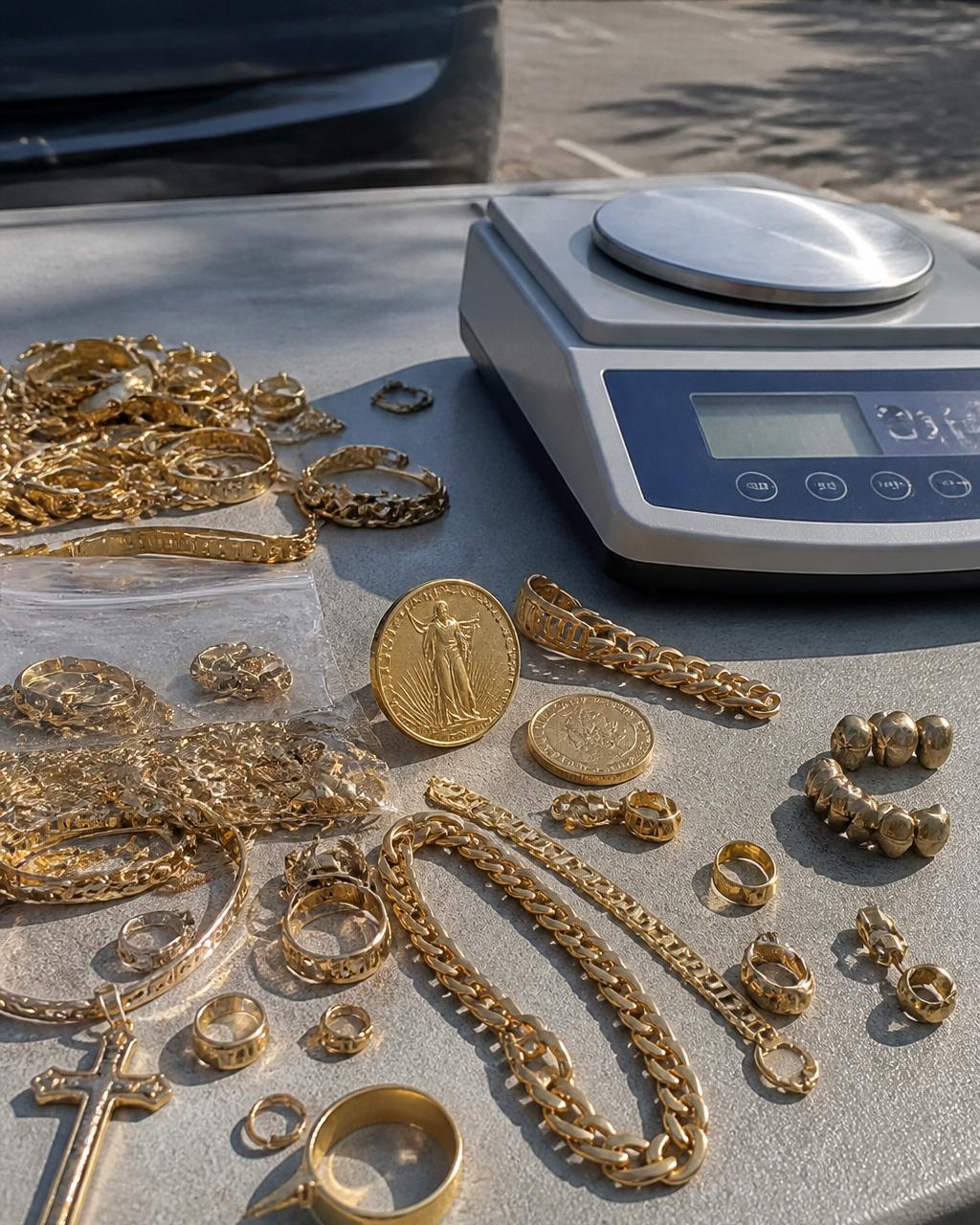
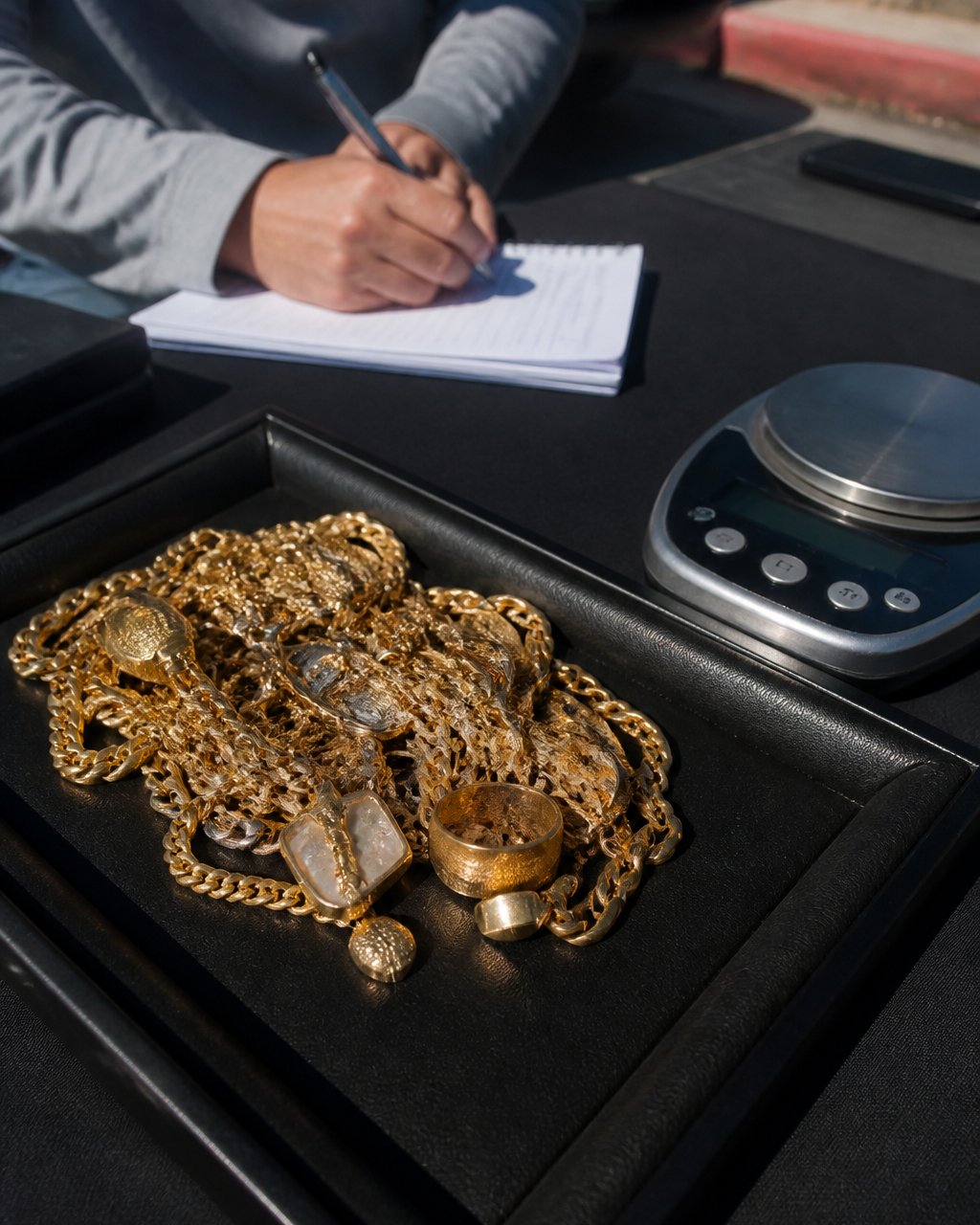
Get a digital scale that measures in grams or troy ounces. Weigh each item separately, group by karat, and write down the weights as a baseline before meeting a buyer.
Buyers will reweigh your items during appraisal, which is normal. But your own weights give you a reference point, if theirs differs significantly, ask why.
Do the Math: Spot Price to Your Offer
Here's the formula to estimate what your gold should be worth:
(Spot Price per Troy Ounce) × (Purity as a Decimal) × (Weight in Troy Ounces) = Estimated Value
Let's walk through an example. Suppose:
- Spot price is $2,000 per troy ounce
- You have 14K gold (58.3% pure, or 0.583 as a decimal)
- Your item weighs 0.5 troy ounces
The calculation: $2,000 × 0.583 × 0.5 = $583
This is the raw melt value. A fair offer will be somewhat less to cover refining costs and margin, but this number is your ceiling, any offer significantly below it is likely a lowball.
How to Compare Gold Buyer Offers
Getting one offer isn't enough. Different buyers use different premiums and payout percentages. Comparing offers is how you find the best deal.
Get Written Quotes from Multiple Buyers
Contact at least three gold buyers and ask for written quotes. A written quote is harder to change later and gives you something concrete to compare.
When you get a quote, ask for the weight, karat, spot price used, total offer, and payment method (cash, check, bank transfer, Zelle). Don't accept a verbal quote over the phone, insist on a written offer or in-person appraisal.
Evaluate the Dealer Premium and Payout Percentage
The dealer premium is the difference between spot price and what the buyer pays you, their profit. It typically ranges from 10% to 30% depending on the buyer and market.
The payout percentage is how much of the melt value you actually receive, if melt value is $500 and you're offered $400, that's 80%.
Compare these percentages across buyers:
- Buyer A: 85% payout
- Buyer B: 78% payout
- Buyer C: 82% payout
Buyer A is giving you more of the melt value. That's the better deal, assuming the weights and karat determinations are the same.
Questions to Ask a Gold Buyer
Before handing over your gold, ask these questions. A legitimate buyer answers directly.
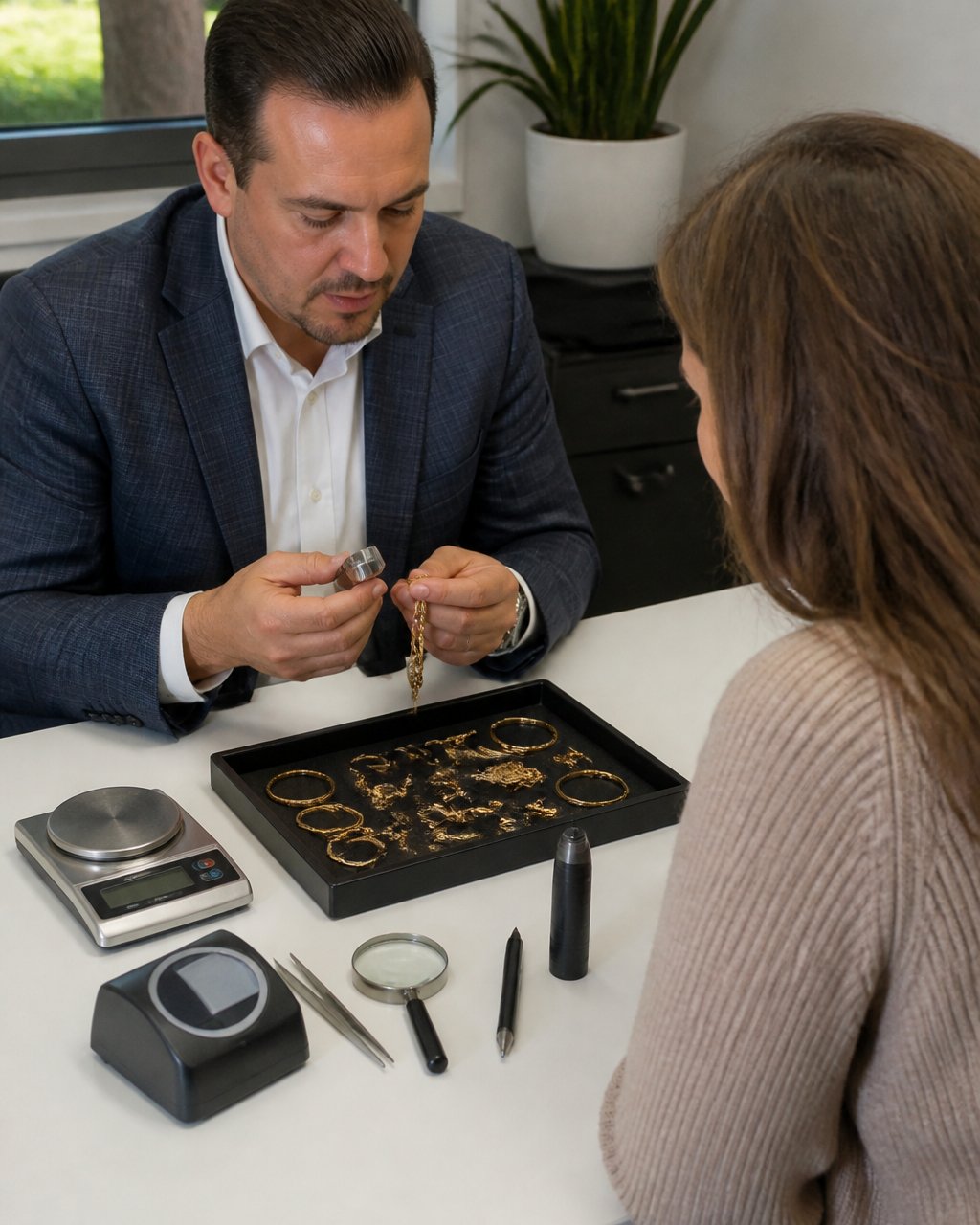
"What spot price are you using for today's offer?" They should cite the current live spot price.
"What percentage of the melt value are you offering?" This is the payout percentage. A fair offer is typically 75% to 85% of melt value.
"Will you weigh my items in front of me?" You should see the scale and weights.
"Are there any fees I should know about?" Some buyers charge testing, appraisal, or processing fees.
"How will you pay me, and how quickly?" Most reputable buyers offer same-day payment in cash or via Zelle.
"Can I see your testing equipment?" Legitimate buyers have visible, professional equipment. If they refuse to show it or seem evasive, that's suspicious.
Recognize Cash for Gold Scams and Red Flags
Not every buyer is honest. Some use pressure tactics, underestimate weights, or overestimate refining costs to lower offers. Knowing the common scams helps you spot them before you lose money.
Common Scam Tactics and Pressure Tactics
The rush. A scammer pressures you to decide immediately, "this offer is only good today." Legitimate buyers don't pressure you. Take your time and get other quotes.
The low initial offer. They lowball, hoping you'll negotiate up to what they wanted to pay all along, making the negotiation feel like a win even though you're still getting less than fair value.
The hidden fee. They quote a price, then add testing, appraisal, or processing fees at the last minute. Always ask about fees upfront.
The bait and switch. They promise one thing on the phone, then offer something different in person, your gold is suddenly "not as pure" or "weighs less" than you thought.
The distraction. They chat you up, then rush the appraisal so you're not watching the numbers. By the time you realize the offer is low, they're writing the check.
Warning Signs During Testing and Appraisal
Watch for these red flags during the actual appraisal:
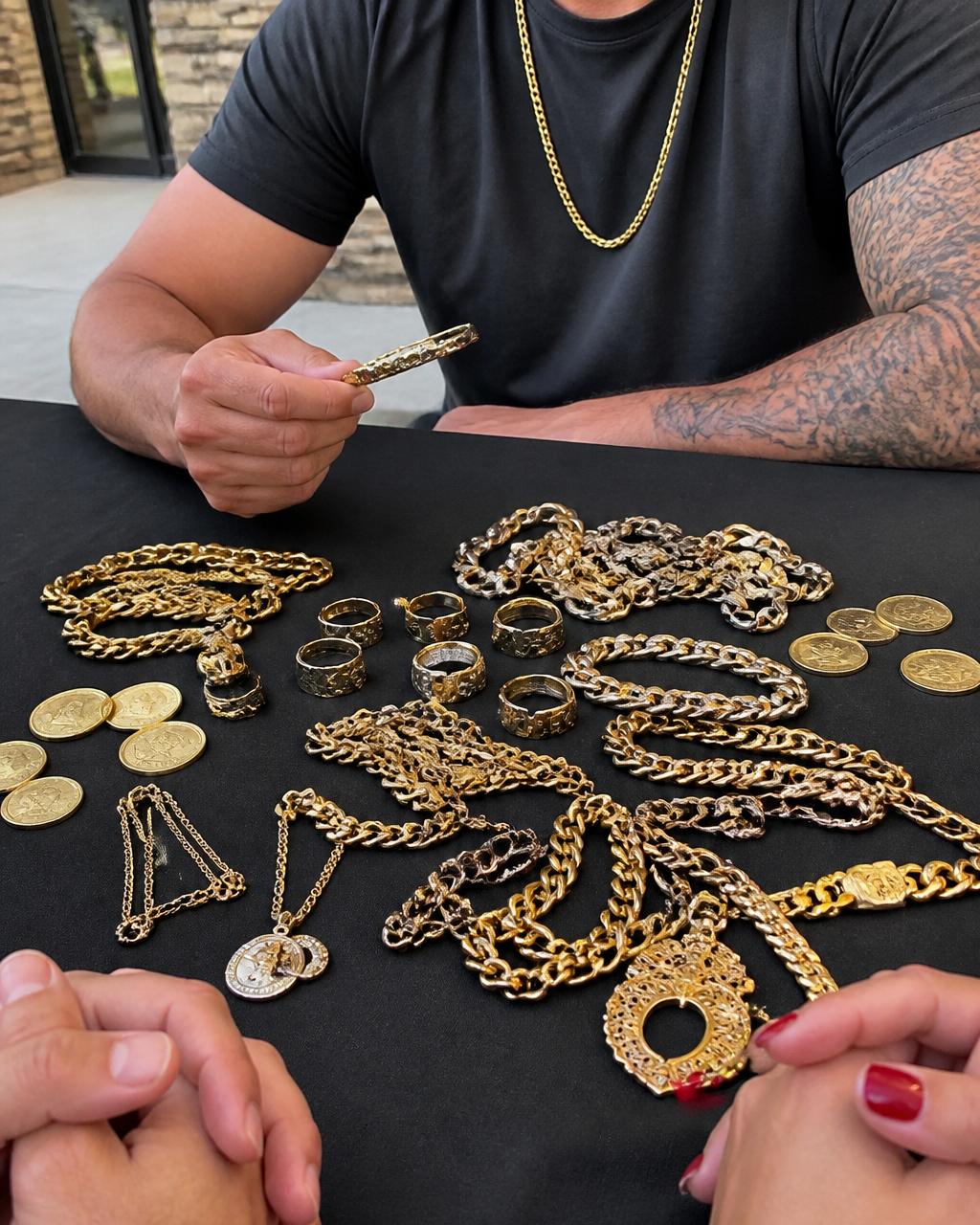
- They won't let you watch the testing. A reputable buyer tests your gold in front of you. If they take it to a back room, you can't verify the results.
- The scale is hidden or unclear. You should see the weight clearly. If the numbers are hard to read or the scale is positioned so you can't see it, that's suspicious.
- They rush through the appraisal. A thorough appraisal takes time. If they spend 30 seconds on your items and hand you an offer, they're not being careful.
- Their testing results don't match your expectations. You have 18K gold. They say it's 14K. Ask them to test it again or show you the results. A legitimate buyer will retest without hesitation.
- They won't give you a written quote. If they only offer a verbal price, walk away. A written quote is standard.
- They seem evasive about their payout percentage. Ask them directly: "What percentage of the melt value are you offering?" If they dodge the question or get defensive, that's a warning sign.
When Your Gold May Be Worth More Than Melt Value
Melt value is the baseline. But some gold items are worth more than their raw material value.
Rare and collectible coins often sell for a premium above melt value.
Proof coins (specially minted coins with a mirror finish and frosted design) are often worth more than bullion coins.
Vintage or antique jewelry may have historical or artistic value beyond the gold.
Designer jewelry with a recognizable maker's mark can command a premium. A Cartier ring or a Tiffany necklace has brand value.
Dental gold is typically valued at melt price only, but occasionally a buyer will pay slightly more if the lot is large or pure.
If you suspect your items have collector or vintage value, get a separate appraisal from a jewelry appraiser or antique dealer before selling to a gold buyer.
Protect Your Gold and Personal Information
Selling gold means bringing items to a buyer and often providing ID. Protect yourself during the transaction.
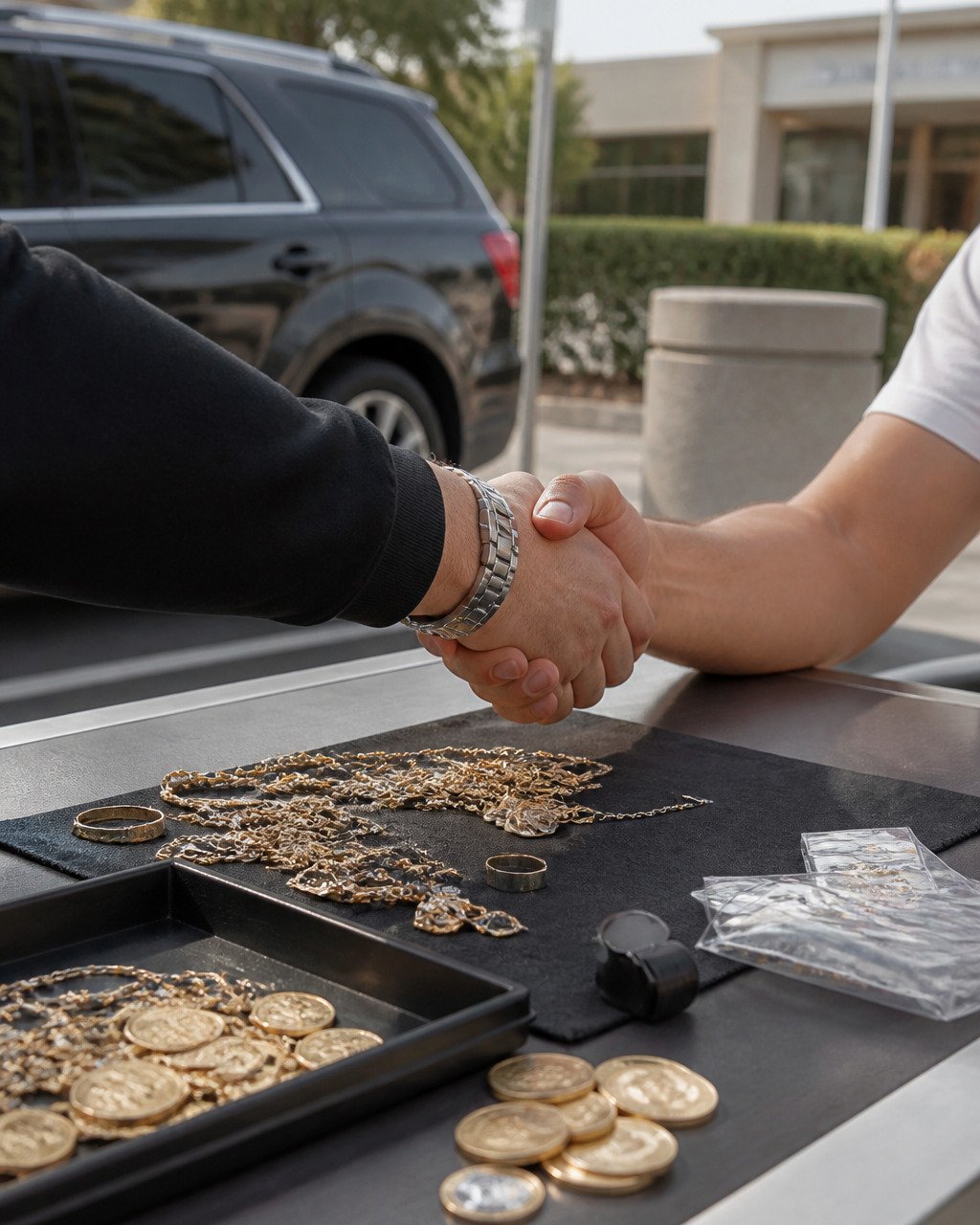
Meet in a safe location. Many gold buyers will meet you near a bank or police station, locations with security cameras and foot traffic.
Bring someone with you. Don't go alone. Bring a trusted friend or family member.
Don't bring all your gold at once. If you have a large collection, sell it in batches.
Verify their identity. Ask for a business license or ID. Legitimate buyers carry identification.
Get a receipt. After the transaction, get a detailed receipt showing the items sold, the weight, the karat, the offer amount, and the payment method.
Verify payment before leaving. If you're receiving cash, count it.
Avoiding low gold offers comes down to three things: knowing your gold's value, comparing offers from multiple buyers, and spotting red flags. Calculate your melt value, get written quotes from at least three buyers, and ask tough questions about testing and payout percentage. A fair buyer is transparent and won't pressure you to decide immediately.
At Pirates Finds Gold, we believe selling gold should be straightforward and transparent.
Frequently Asked Questions
How can I tell if a gold offer is too low?
Check the current live gold spot price, then calculate what your gold should be worth based on its karat and weight. A fair offer typically reflects 85-95% of the spot price after accounting for the buyer's margin and refining costs. If an offer is significantly below this range, get a second opinion from another gold buyer. Compare written quotes side by side to spot outliers.
What are common warning signs of a cash-for-gold scam?
Watch for high-pressure sales tactics, refusal to provide written quotes, vague testing methods, unsolicited cold calls, and claims that your gold is worth far less than the spot price suggests. Legitimate buyers explain their testing process, offer no-obligation appraisals, and provide documentation. If a buyer rushes you or discourages you from getting a second opinion, walk away.
Should I get more than one offer for my gold?
Yes. Getting multiple offers is one of the best ways to avoid low gold offers. Different buyers use different dealer premiums and payout percentages, so offers can vary significantly for the same items. Collect at least two or three written quotes, compare the math behind each one, and choose the buyer whose offer aligns with fair market value and whose process feels transparent and professional.
How do I calculate the value of gold jewelry before selling it?
Find the karat marking on your jewelry (10K, 14K, 18K, etc.), then weigh the item in grams or troy ounces. Check the live gold spot price. Multiply the weight by the percentage of pure gold in that karat (14K = 58.3% pure), then multiply by the spot price. This gives you the melt value. A fair offer will be 85-95% of this amount, depending on the buyer's refining costs and margin.