 how-to
Sell Gold Jewelry at Home: A Complete Guide
Table of Contents
- Why Selling Gold Jewelry at Home Makes Sense
- Understanding Gold Purity and Karat Markings Before You Sell
- How to Calculate Gold Jewelry Value at Home
- Private Gold Appraisal Services: What to Expect
- Step-by-Step Process for Selling Gold Jewelry From Home
- Mobile Gold Buying Safety Tips for Home Transactions
- Comparing Your Options: Local Jewelers, Pawn Shops, and Online Buyers
- Common Mistakes to Avoid When Selling Gold at Home
- Frequently Asked Questions
Last Updated: October 5, 2026
Why Selling Gold Jewelry at Home Makes Sense
When you sell gold jewelry at home, you get convenience traditional methods can't match. You avoid travel time, store waits, and sales pressure, a professional buyer comes to you with certified testing equipment and makes an offer on the spot.
The real advantage is control. In your own space, you can review the offer, ask questions, and decide without feeling rushed.
At Pirates Finds Gold, we've helped San Diego residents turn unwanted gold into cash without leaving home.
Understanding Gold Purity and Karat Markings Before You Sell
Gold purity determines value more than anything else. The karat system measures how much pure gold is in an item. Higher karat means higher purity and higher value.
Here's what the markings mean:
- 24-karat gold: Pure gold (99.9%). Rare in jewelry because it's too soft for daily wear.
- 22-karat gold: 91.7% pure. Common in fine jewelry and coins.
- 18-karat gold: 75% pure. Popular for engagement rings and heirloom pieces.
Look for stamps inside rings, on necklace clasps, or on the back of brooches. If you can't find one, a professional appraisal will determine purity through testing.
Gold that's worn, broken, or tarnished still has full value. Condition doesn't matter for scrap gold because the buyer melts it down, a broken 14-karat ring is worth the same as a perfect one.
How to Calculate Gold Jewelry Value at Home
You can estimate your gold's worth before contacting a buyer, giving you a baseline to compare offers against.
First, weigh your gold in grams, a digital postal scale is more accurate than a kitchen scale.
Next, find the current spot price of gold, which changes daily.
Use this simple formula:
Estimated Value = (Weight in grams) × (Karat ÷ 24) × (Spot price per gram)
Example: You have 10 grams of 14-karat gold. The spot price is $65 per gram.
- 10 grams × (14 ÷ 24) × $65 = approximately $378
This is your rough melt value. Actual offers typically run lower after refining costs and margin.
Private Gold Appraisal Services: What to Expect
A professional appraisal is the most accurate way to learn your gold's worth and your best protection against a low offer. It usually takes time for a typical collection.
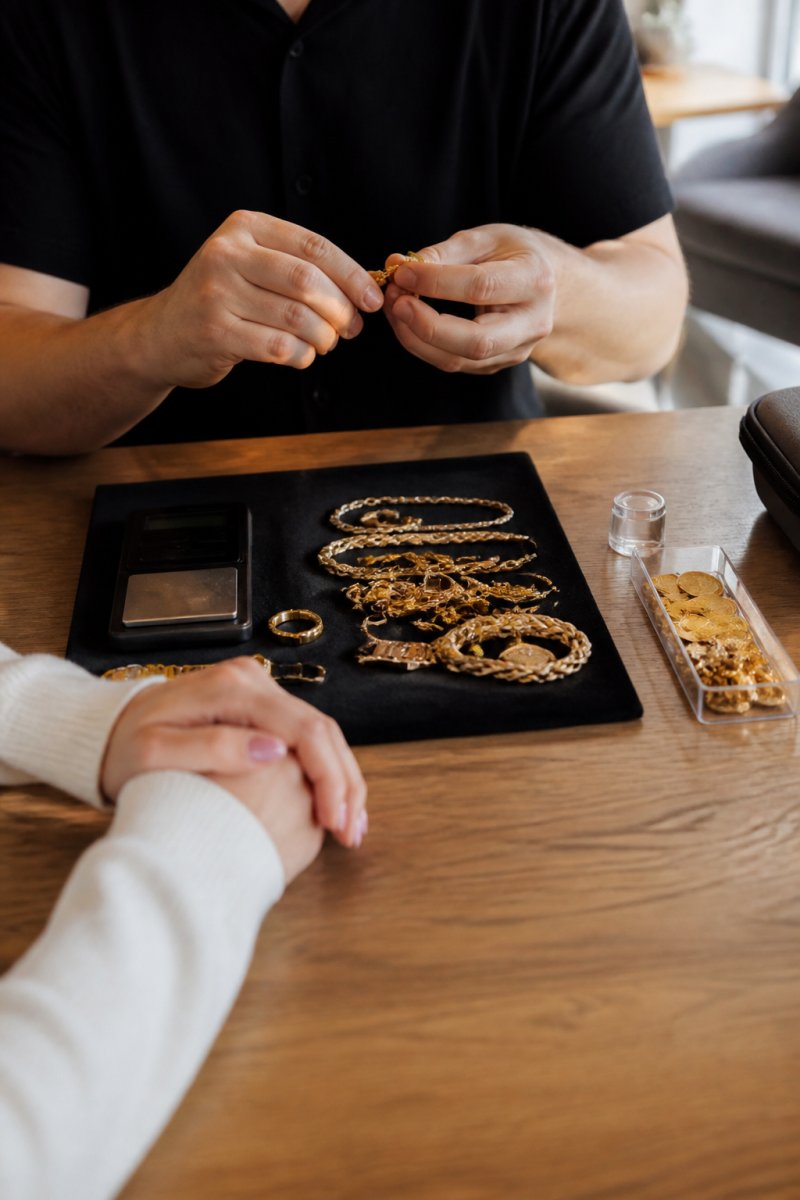
When a buyer arrives, they'll bring testing equipment. Here's what a thorough appraisal actually involves:
- Visual inspection. The buyer examines each piece for hallmarks, wear, and any stones or settings that might carry separate value.
- Karat verification. Most use electronic testers that read purity without scratching or damaging the metal. Some also use acid testing on a touchstone, which is why you may see a small rub mark on a hidden area.
- Weighing. A calibrated digital scale measures each piece in grams or pennyweights. Ask to see the scale zeroed before your items are weighed.
You should receive a written breakdown listing the weight of each piece, karat purity, estimated melt value, and the final cash offer. A reputable appraiser explains their math, shows testing results, and answers your questions.
Document Everything Before and During the Appraisal
This is the step most sellers skip, and it prevents disputes. Before the appointment:
- Photograph each piece on a plain background next to a ruler or coin for scale.
- Write an itemized list with type, karat stamp, and any stones.
- Note the weight if you've weighed it yourself.
During the appraisal:
- Ask for the tested weight and karat of each piece in writing.
- Keep a copy of the written offer, even if you decline.
- If you accept, get a receipt that lists the items sold, the weight, the karat, and the amount paid.
These records matter for two reasons: they let you compare offers apples-to-apples, and if you're selling inherited or shared property, a paper trail shows what left your possession and when.
Pirates Finds Gold uses certified testing equipment and prices directly against the live gold spot market, with transparent offers and no pressure to decide on the spot.
Step-by-Step Process for Selling Gold Jewelry From Home
Selling gold from home follows a simple process. Here's how it works from start to finish.
Step 1: Gather and Organize Your Gold Items
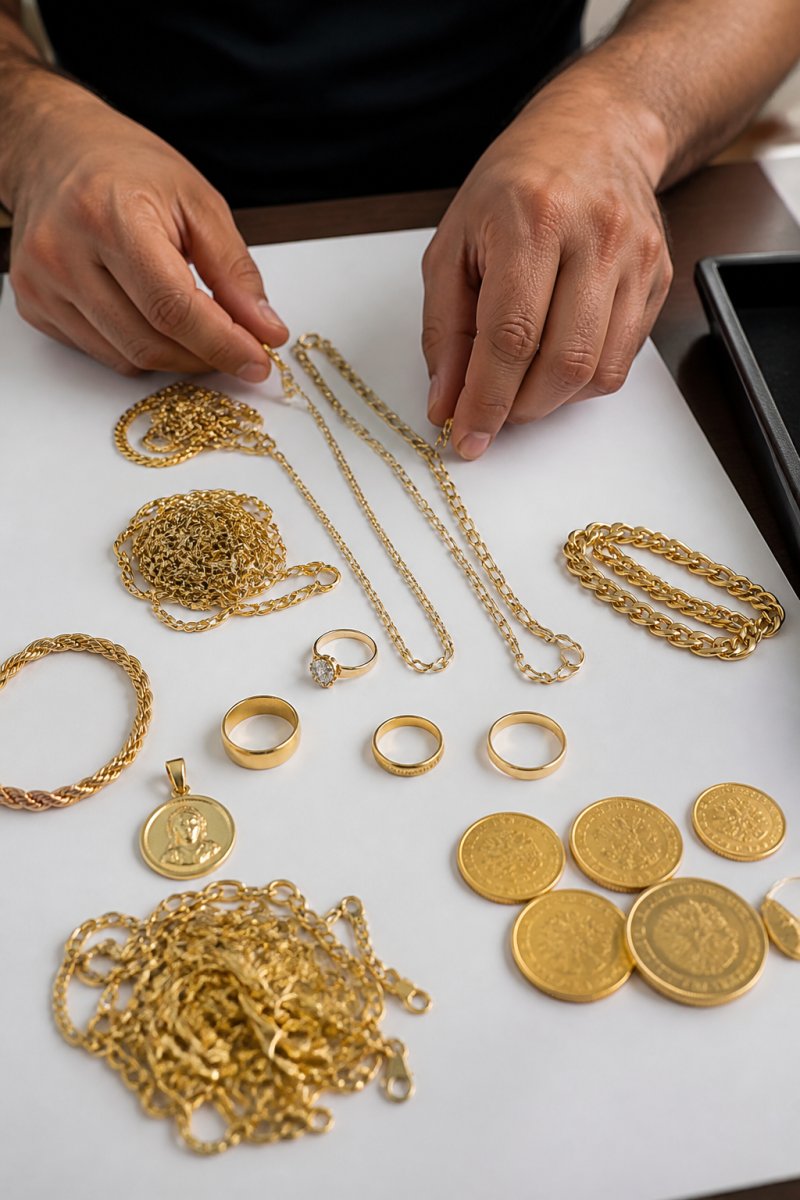
Start by collecting all the gold you want to sell. Check drawers, jewelry boxes, old safes, and storage areas. Don't overlook:
- Broken chains and damaged rings
- Gold coins and bullion
- Dental gold (crowns, bridges, fillings)
Sort items by karat if you can, grouping 14-karat pieces together, 18-karat separately, and so on, to speed the appraisal.
Write down a simple list with the item type (ring, necklace, coin) and karat if you know it, five minutes gives you a record of what you're selling.
Step 2: Research and Contact Gold Buyers
Not all gold buyers are the same. Some offer fair prices and transparent processes. Others are known for lowballing customers.
Look for buyers who:
- Come to your home or office
- Use certified testing equipment
- Price against the live gold spot market
Call or visit their website. Ask about their process, timeline, and payment methods. A legitimate buyer welcomes questions and doesn't pressure you.
Pirates Finds Gold operates throughout the San Diego area. We come to your location, test on-site, and pay the same day.
Step 3: Schedule Your In-Home Appraisal
Once you've chosen a buyer, schedule a time that works for you. Most professional services offer flexible scheduling, including evenings and weekends.
Tell the buyer roughly how much gold you have. This helps them plan the appointment length.
Ask about their payment methods. Most reputable buyers offer cash, check, Zelle, or bank transfer. Confirm what works for you.
Step 4: Verify Testing and Receive Your Offer
When the buyer arrives, watch the testing process. They should test each piece with certified equipment, show you the results, weigh accurately, calculate the offer clearly, and explain any deductions. Ask questions, a professional buyer expects this. If something doesn't make sense, speak up.
You'll receive a written offer. Take time to review it. You don't have to decide immediately, even if the buyer suggests otherwise.
Step 5: Accept Payment and Complete the Transaction
Once you've agreed to the offer, payment is quick. Most buyers pay the same day in your preferred method. You'll sign a simple receipt documenting the transaction.
Keep your receipt. It's your proof of sale for tax purposes if needed.
Mobile Gold Buying Safety Tips for Home Transactions
Inviting someone into your home requires basic precautions, but the bigger risk in an at-home gold sale isn't personal safety, it's an unfair offer or a payment that doesn't clear. Here's a practical protocol that covers both.
Before the Appointment
- Verify the buyer. Ask for a business name, a phone number you can call back, and identification on arrival. A legitimate buyer carries credentials and doesn't hesitate to share them.
- Set the meeting place deliberately. You can meet at your home, but many sellers prefer a neutral spot. Meeting near a bank or police station adds a layer of comfort and gives you a place to verify payment immediately.
- Clear the room. Put away jewelry you're not selling, cash, and electronics. You're selling gold, not displaying everything you own.
During the Appointment
- Watch the scale. Ask the buyer to zero it before weighing. If you weighed your gold beforehand, compare numbers.
- Watch the testing. Ask which method they're using and whether it damages the piece. Electronic testers are non-destructive; acid tests leave a small mark.
- Get the offer in writing. Weights, karats, and the final number should be on paper before you decide.
Payment and Confirmation
- Confirm funds before the buyer leaves. Cash is immediate. For checks, Zelle, or bank transfers, verify the payment posted to your account, not just that a confirmation screen appeared.
- Keep the receipt. It documents the items sold, the weight, the karat, and the amount paid. That record matters if you need to show a sale for tax or estate purposes.
- Know the return policy. If you're using a mail-in kit instead of an in-person buyer, confirm how declined items are returned, who pays return shipping, and what insurance covers the shipment.
Pirates Finds Gold meets near banks or police stations when customers prefer. We're flexible about location to keep everyone comfortable and safe.
Comparing Your Options: Local Jewelers, Pawn Shops, and Online Buyers
You have options to sell gold jewelry at home or locally. Each has different advantages.
| Option | Best For | Speed | Convenience | Typical Offer |
|---|---|---|---|---|
| Mobile buyer | Home comfort, privacy | Same day | Highest | Market-based |
| Local jeweler | Quality pieces, vintage | 1-3 days | Medium | Variable |
| Pawn shop | Quick cash | Same day | Medium | Often lower |
| Online buyer | Bulk quantities, shipping | 5-10 days | Lowest | Market-based |
Mobile gold buyers come to you.
Local jewelers often buy gold but focus on finished pieces with potential resale value.
Pawn shops buy gold quickly but typically offer 20-30% below market value.
Online buyers require shipping your gold.
For people selling gold jewelry at home, a mobile buyer offers a balance of price, speed, and convenience.
Common Mistakes to Avoid When Selling Gold at Home
Knowing what to avoid saves money and prevents regret.
Don't sell without comparing offers. Contact at least two buyers.
Don't forget about dental gold. Crowns, bridges, and fillings contain real gold. They're worth selling.
Don't rush into payment. Take time to review the offer.
Don't ignore the spot price. Know the current gold price before meeting with a buyer.
Don't overlook gemstones. Diamonds, rubies, and other stones have separate value.
Frequently Asked Questions
How can I ensure I get fair market value when selling gold jewelry at home?
Request that the buyer use certified testing equipment to verify karat weight and purity before making an offer. Ask them to explain how they calculated the value based on current gold spot prices. A reputable gold buyer will show you the testing results and break down the offer transparently. Compare offers from multiple buyers and verify they're pricing against live market rates, not outdated quotes.
Is it safe to have a gold buyer come to my home?
Yes, when you take proper precautions. Schedule appointments during daylight hours, ask for identification and credentials, and have a trusted friend or family member present. Meet in a common area like your living room or kitchen, not a private space. Verify the buyer's reputation through customer reviews and confirm they operate with certified equipment. Reputable mobile gold buyers prioritize your safety and conduct transactions near banks or police stations for mutual security.
What types of gold can I sell from home, including dental gold and coins?
You can sell virtually all forms of gold at home: jewelry (necklaces, rings, bracelets, earrings), coins, bullion, dental gold (crowns, bridges, fillings), and scrap gold. The condition doesn't matter, broken, bent, or tarnished pieces have the same melt value. Each item is tested individually for karat weight and purity, so mixed karats (10k, 14k, 18k, 24k) can be sold together. Dental gold is particularly valuable since it's often high-karat material.
How quickly can I get paid after selling gold jewelry at home?
Most reputable mobile gold buyers offer same-day payment. After testing confirms the weight and purity, you receive a cash offer on the spot. If you accept, payment is processed immediately via cash, check, or electronic transfer like Zelle, depending on the buyer's options. This eliminates the wait time of mailing items to an online buyer or visiting a physical store. Same-day payment is one of the primary advantages of in-home transactions.
Selling gold jewelry at home doesn't have to be complicated or stressful. When you understand gold purity, know the current market value, and work with a transparent buyer, the process becomes simple.
Pirates Finds Gold brings certified testing equipment directly to you throughout the San Diego area. We provide free appraisals with no obligation, price fairly against the live gold spot market, and pay same-day in your preferred method. Get a free quote today and see how much your gold is worth.