 how-to
Is Selling Dental Gold Worth It? A 2026 Guide
Table of Contents
- Is Selling Dental Gold Worth It: The Real Numbers
- How Much Is a Gold Crown Worth
- How Buyers Test Dental Gold
- Factors That Affect Dental Gold Value
- How to Sell Dental Gold: Step-by-Step
- Using a Dental Gold Value Calculator
- Getting a Fair Price: What to Watch For
- Frequently Asked Questions
Last Updated: October 17, 2026
Is Selling Dental Gold Worth It: The Real Numbers
Selling dental gold worth it depends on three things: how much gold you have, what condition it's in, and whether you find the right buyer. Dental gold has real value, the real question is whether that value justifies the effort to sell it.
Dental gold is real gold, mixed with other metals for strength, so it has genuine market value. The catch: you need a buyer who tests it fairly and pays based on current gold prices, not a lowball estimate.
What matters most: the weight of your dental work, the purity of the gold alloy, and the current price of gold. A single crown's value varies with these factors, and multiple pieces, crowns, bridges, old fillings, add up faster.
How Much Is a Gold Crown Worth
A gold crown's value depends on its weight and gold purity. Most dental crowns weigh 1-3 grams and contain 10-22 karat gold mixed with other metals; actual gold content is typically 50-75% of total weight.
Here's what affects the number:
- Weight of the crown: Heavier crowns contain more gold
- Karat rating: Higher karat means more pure gold in the mix
- Current gold market price: Prices change daily based on global markets
- Alloy composition: Some crowns use platinum or palladium, which add value
To estimate value, you need the crown's weight and karat rating, often marked on the crown or in your dental records. Without that, a professional buyer can test it on the spot with certified equipment.
How Buyers Test Dental Gold
Professional buyers use certified testing equipment to determine the exact gold content and purity of your dental work, and transparency matters most here.
The most common testing methods are:
- X-ray fluorescence (XRF): Non-destructive testing that identifies metal composition instantly. The equipment reads the surface and calculates gold percentage without damaging the crown or bridge.
- Acid testing: A small sample is tested with acid to confirm karat rating. This method is quick and reliable but requires a tiny scratch on the piece.
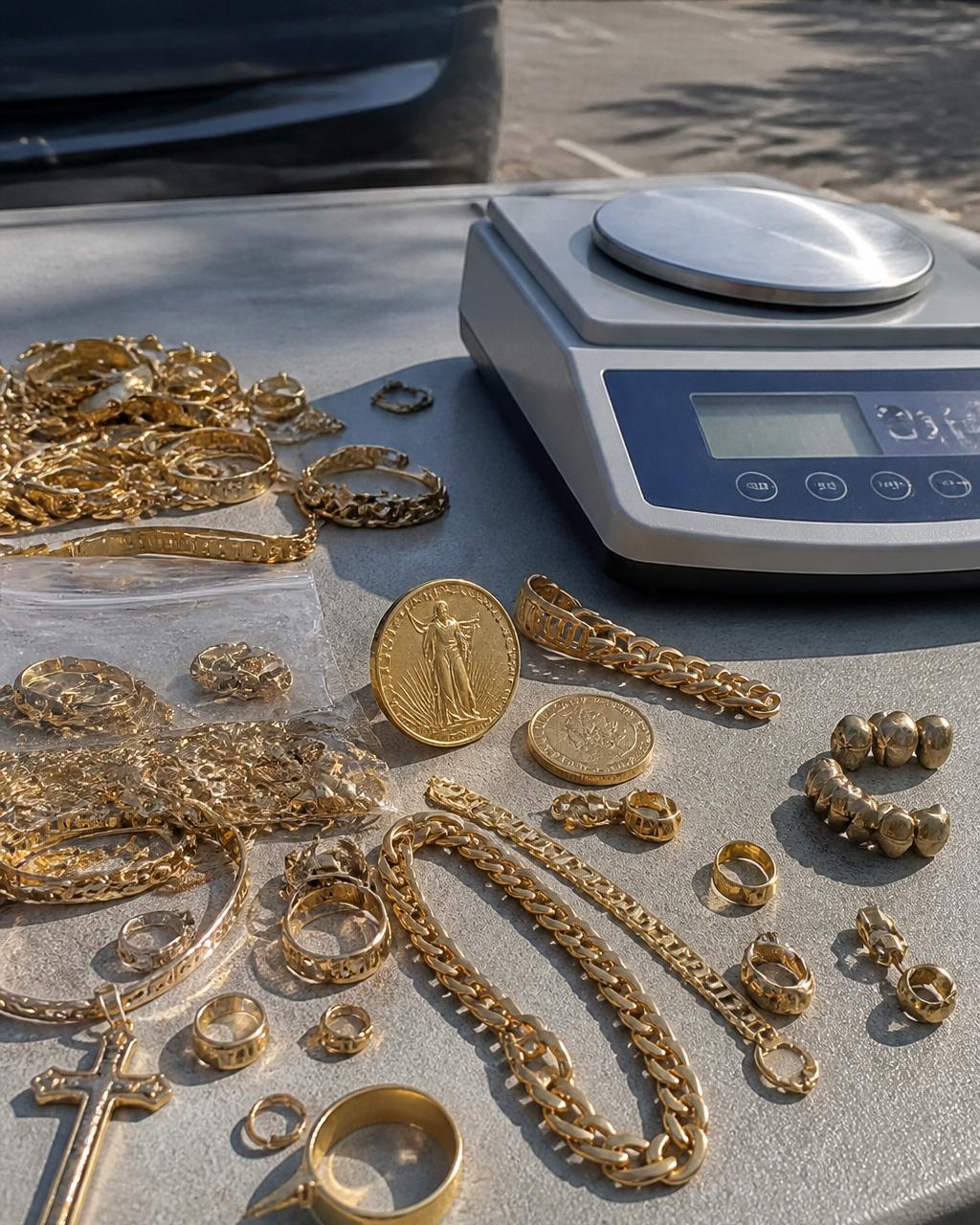
- Weight and calculation: The buyer weighs your dental gold on a certified scale, then calculates value based on karat rating and current spot price.
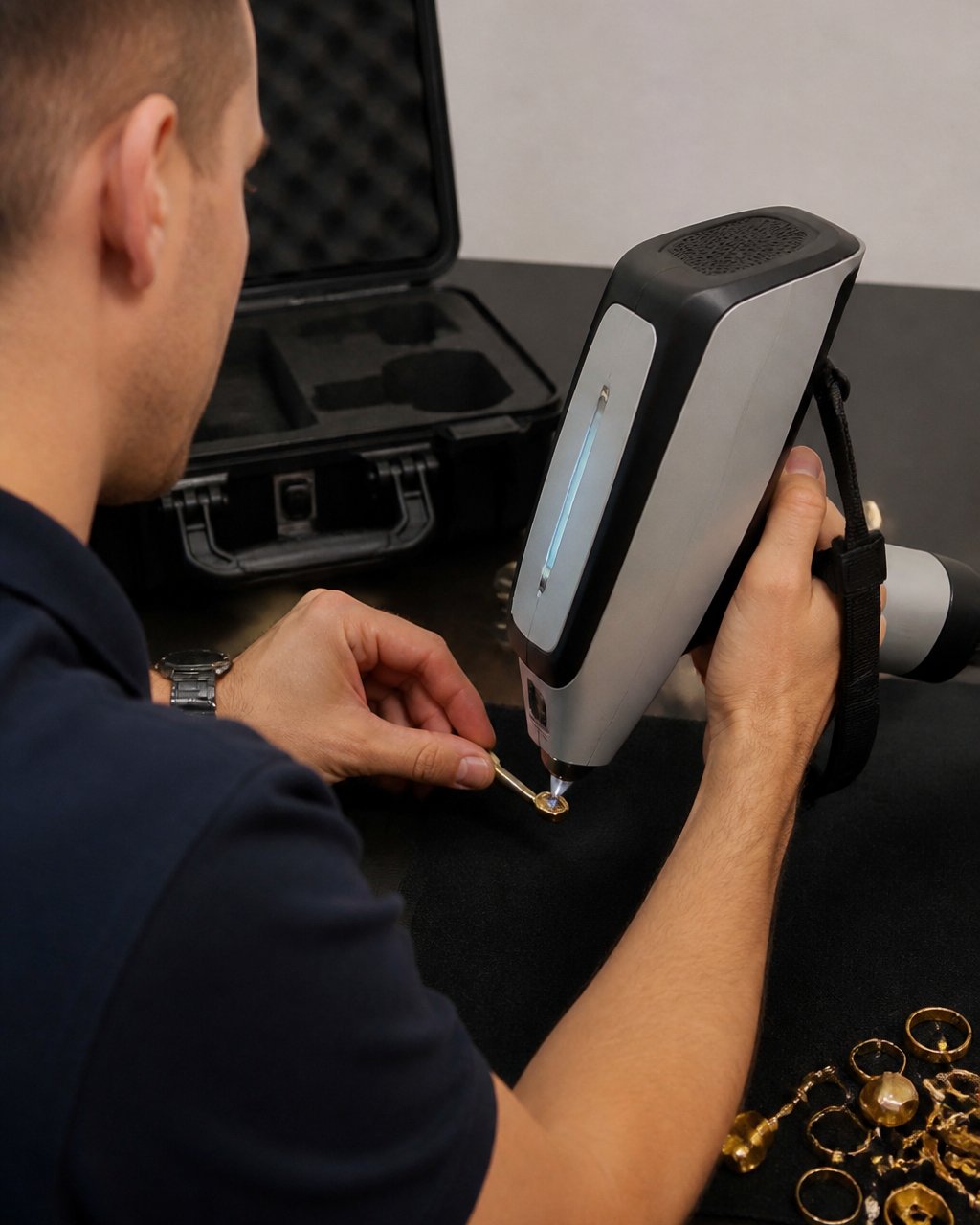
A fair buyer shows you the test results and explains the calculation, the current spot price, and how much of your piece is recoverable gold versus other metals, your protection against lowball offers.
Factors That Affect Dental Gold Value
Three main factors determine what your dental gold is worth: the gold purity, the current market price, and the buyer's recovery rate.
Gold Purity and Karat Weight
Dental gold comes in different karats, just like jewelry. The karat number tells you how much pure gold is in the alloy.
- 10-karat gold: 41.7% pure gold. Common in older dental work. Lower value per gram.
- 14-karat gold: 58.3% pure gold. Moderate value. Strong and durable for dental use.
- 18-karat gold: 75% pure gold. Higher value per gram. Less common in dental applications.
- 22-karat gold: 91.7% pure gold. Rare in dental work but worth significantly more.
Most dental crowns and bridges are 14 or 18 karat; the higher the karat, the more you'll receive per gram. Your dental records or the crown itself should have a karat marking, if not, a professional buyer can test it.
Current Gold Prices and Market Conditions
Gold prices change daily with global demand; the spot price is what gold trades for on the open market, usually quoted per troy ounce. Check the current spot price before contacting a buyer for a baseline, and expect them to explain how they calculated your specific offer.
How to Sell Dental Gold: Step-by-Step
The real work is in preparation, documentation, and understanding what you'll actually net after fees. Here is the full process.
Step 1: Gather and sort your dental gold
Collect every piece you want to sell: crowns, bridges, inlays, onlays, and any gold fillings. Keep pieces separate by type, and pull out dental records showing the alloy or karat, they speed verification and reduce disputed assays.
Step 2: Decide how to handle attached porcelain or other material
Many crowns are porcelain-fused-to-metal, with gold alloy bonded to a ceramic shell. Don't remove the porcelain yourself, most buyers account for non-gold content during assay and pay on recoverable gold only, and chipping or grinding at home can lose gold and create safety hazards.
Step 3: Clean pieces safely (without losing gold)
Rinse dental work in warm water with mild dish soap and a soft brush. Avoid harsh chemicals or ultrasonic cleaners that could dissolve or dislodge metal.
Step 4: Weigh and document before you sell
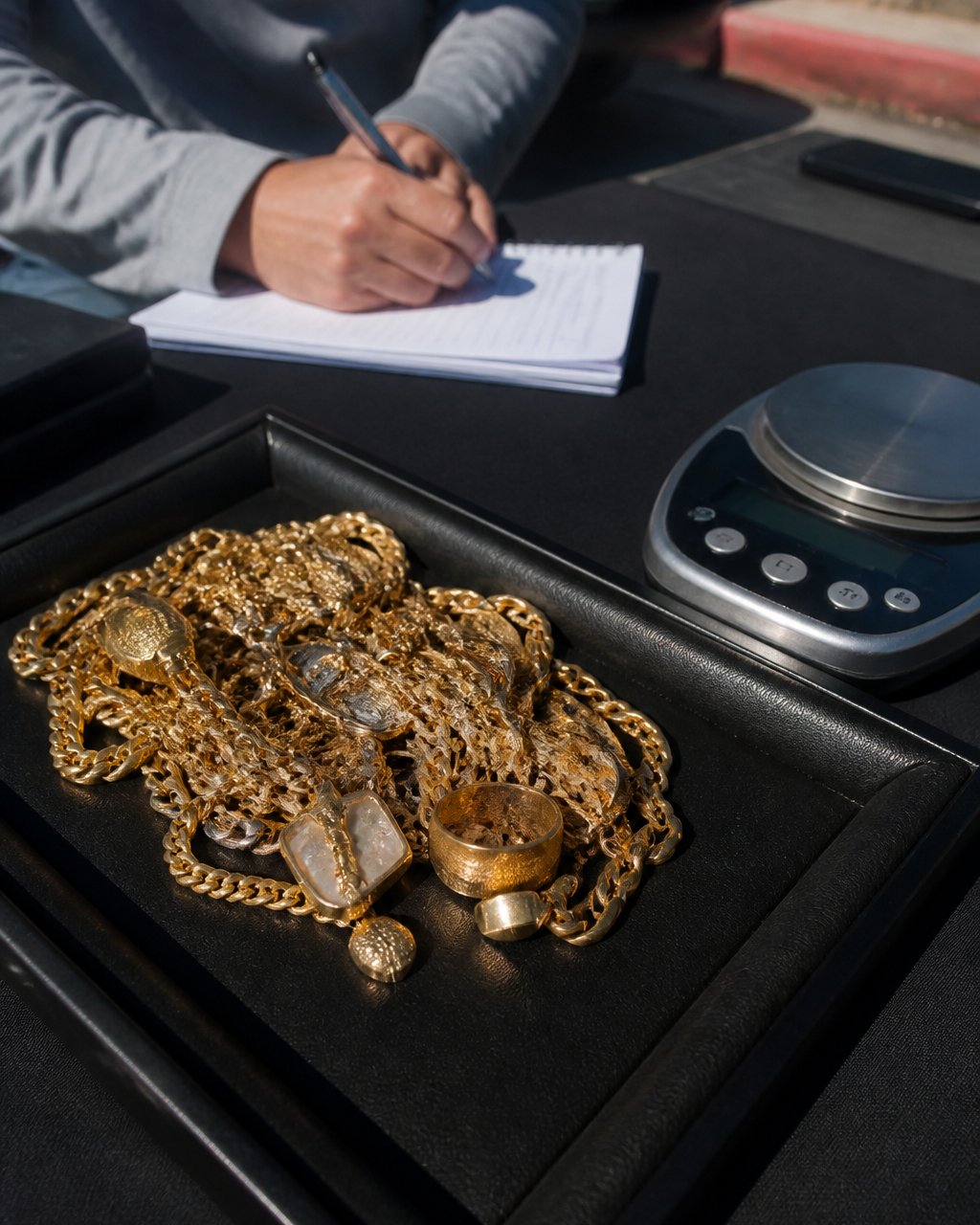
Use a digital gram scale (postal or kitchen is fine for a rough check). Record each piece's weight and photograph it next to the scale, this baseline protects you if a buyer's weight differs, and note any karat stamps.
Step 5: Get a test and a written offer
Ask a buyer for a no-obligation test and quote. A fair buyer tests in front of you, XRF for a non-destructive read, or acid testing on a small scratch, and explains the weight, purity, and spot price used.
Step 6: Compare net proceeds, not headline offers
This is where most sellers lose money: a higher headline offer can net less after various charges. Ask each buyer what you'll actually receive after all fees and shipping, and compare that number, not just the initial offer.
Step 7: Choose delivery method and complete the sale
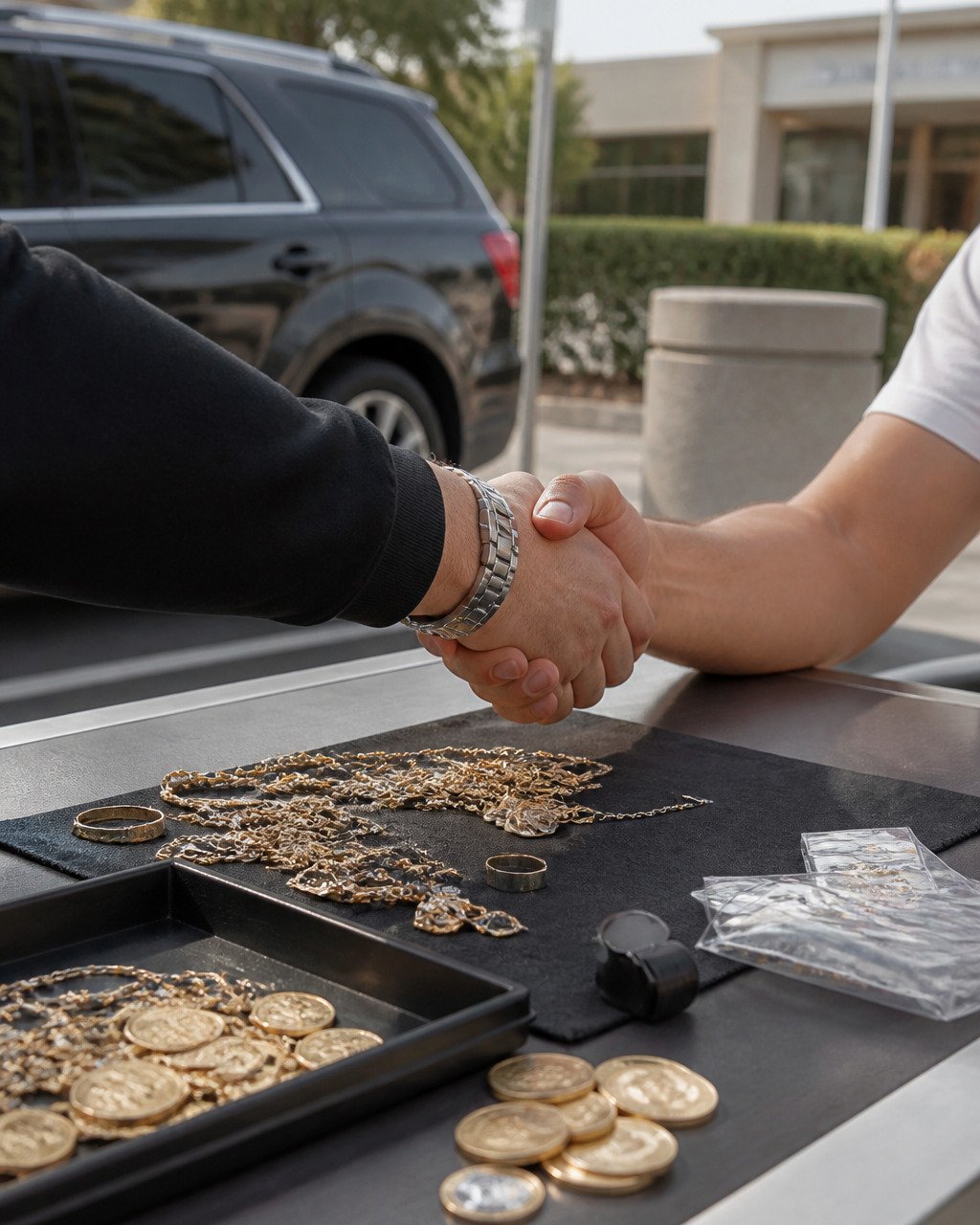
If you sell in person, meet in a safe public location, a bank lobby or police station parking lot during daylight hours. Piratesfindsgold operates throughout San Diego and meets customers near banks or police stations to ensure safety and convenience for both parties.
Step 8: Get paid and keep records
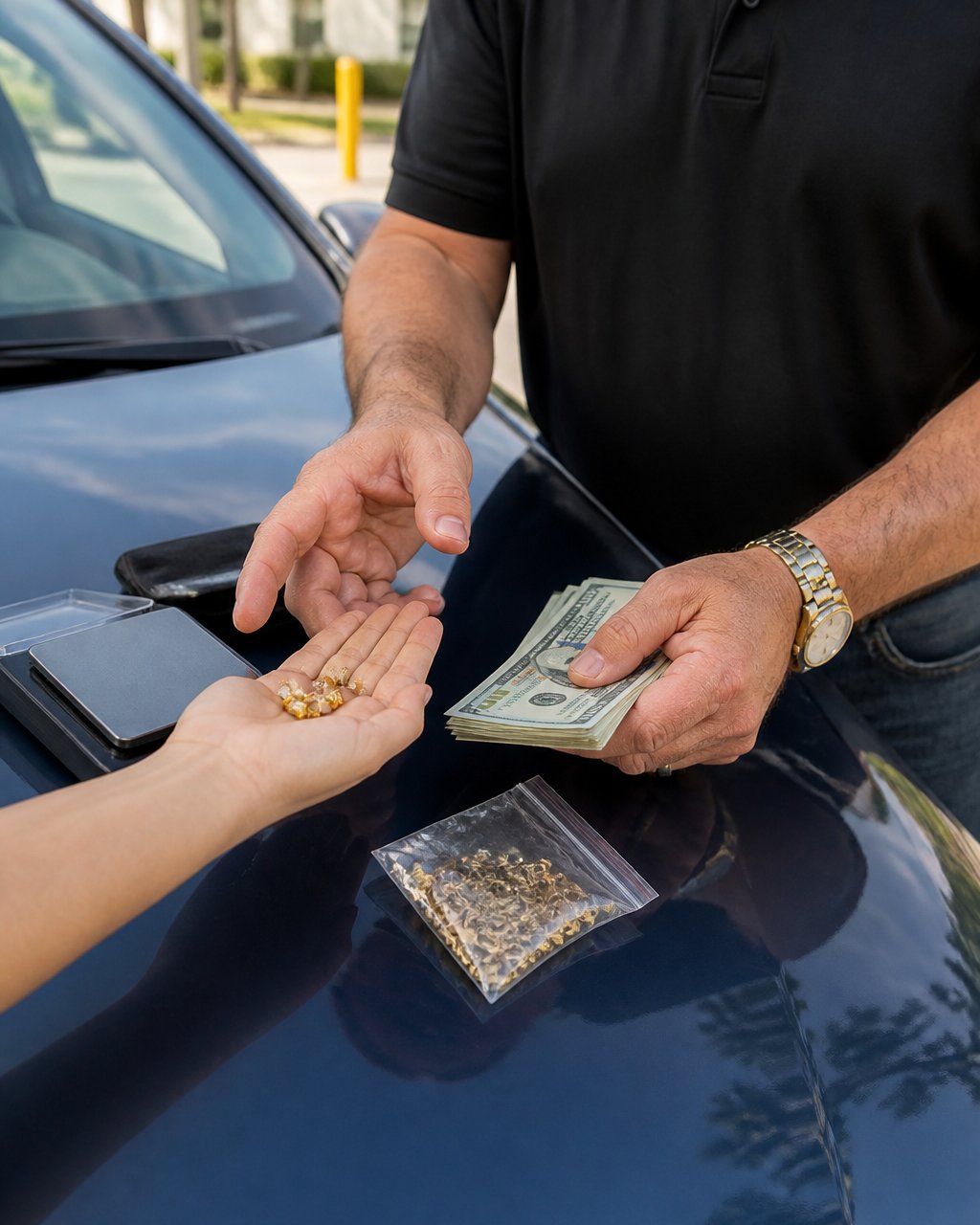
Accept payment only after reviewing the final written offer. Get a receipt showing weight, purity, offer amount, fees, and payment method, and keep it with your pre-sale photos and written offer, you may need them for tax or estate records.
Using a Dental Gold Value Calculator
A dental gold value calculator estimates what your pieces might be worth before you contact a buyer by combining three inputs: weight, karat rating, and the current spot price of gold.
Here's how to use one:
- Weigh your dental gold on a kitchen or postal scale in grams.
- Determine the karat rating from your records or have a buyer test it.
- Check the current spot price of gold.
- Enter these numbers into the calculator.
Calculators give estimates only, the actual offer depends on the buyer's testing results, recovery rate, and business model. Use it as a starting point, not a guarantee.
Getting a Fair Price: What to Watch For
A fair price is the net amount you keep after fees, shipping, and minimum charges, from a buyer you can verify, not just a high percentage of spot. Here's how to protect yourself.
Verify the buyer before you hand over gold
- Check credentials and reviews. Look for a physical business presence, consistent feedback, and clear contact info. Be wary of buyers operating only through direct messages.
- Ask about testing equipment. A serious buyer uses calibrated XRF or documented acid testing and shows results; ask when it was last calibrated.
- Confirm the assay process. Ask whether testing is destructive and whether you can watch. Decline if a buyer wants to take pieces into a back room.
- Get the offer and fees in writing. It should state weight, karat, spot price used, payout percentage, and every fee, if it's not in writing, it's not enforceable.
- Ask about return of material. Get the policy in writing before shipping or handing over anything.
Understand consumer protections
- Weighing and pricing disclosures. A fair buyer lets you see the scale reading and spot price used, and you can ask how the offer was calculated.
- Cooling-off and pressure tactics. Legitimate buyers don't rush you, step away if pressured.
- Receipts and records. Always get a receipt showing transaction details; it's your proof if a dispute arises.
- Local rules. Some jurisdictions regulate secondhand precious-metal dealers. Ask whether the buyer is licensed and what local rules apply.
A practical framework: sell, keep, recycle, or donate
Answer whether selling is worth it directly before you shop for buyers.
- Sell if: you have multiple pieces or a bridge with meaningful gold weight, documentation or a transparent tester, and net proceeds worth the effort.
- Keep if: pieces have sentimental value, the quantity is tiny (a single lightweight crown may net little after fees), or you want to verify the alloy first.
- Recycle or refine if: you have a large mixed lot and want to compare a refiner's payout against a local buyer's net offer.
- Donate if: the value is low and you'd rather avoid the transaction; confirm the recipient's policy on dental gold first.
Small quantities and sentimental pieces
A single crown can weigh very little, and after minimum charges or shipping, the net may not justify the transaction. For one small piece, prioritize in-person buyers who test on the spot. If it's sentimental, consider keeping it, no payout replaces that value.
Tax and recordkeeping
Keep your pre-sale photos, weight records, written offers, and receipts. A precious-metal sale may have tax implications, consult a qualified tax professional, and good records help with estate or insurance purposes.
Frequently Asked Questions
How much is a gold crown worth?
The value of a gold crown depends on its weight, gold purity (karat), and the current spot price of gold. A typical gold crown weighs 1-2 grams and contains 10K to 22K gold. At current market rates, most crowns range in value, but exact pricing depends on composition. Use a dental gold value calculator or contact a buyer for a precise estimate based on your specific crown.
Does dental gold have any value?
Yes, dental gold has real resale value. Dental crowns, bridges, and other dental work contain actual gold alloy that buyers purchase for refining. The value comes from the precious metal content, not the dental work itself. Even if a crown is broken or damaged, it retains its gold value. Most dental gold is 10K to 22K, making it worth selling.
How do buyers determine the value of dental gold?
Buyers test dental gold using certified equipment like X-ray spectrometry or acid testing to determine exact karat weight and purity. They weigh the item in grams, calculate the gold content percentage, and multiply by the current spot price of gold. Reputable buyers base offers on live market rates, not fixed prices. Always ask how a buyer tests before accepting an offer.
Is it worth selling dental gold if I only have one or two items?
Even small amounts of dental gold are worth selling. A single crown or bridge contains enough gold to generate a meaningful payout. The real question is convenience versus effort. Mobile appraisal services eliminate the need to visit a store, making it worthwhile for any amount.